.png)

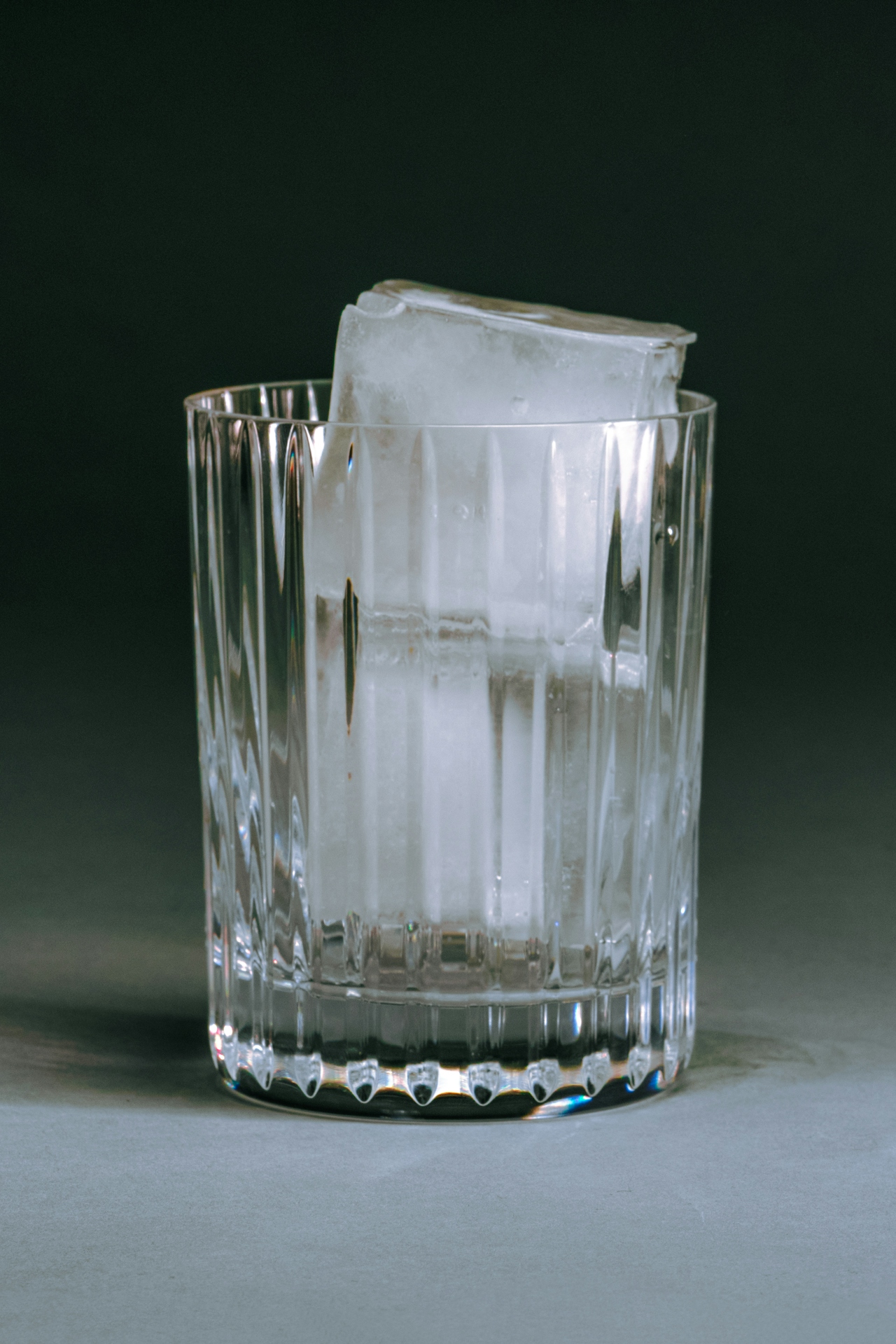
Chewing ice can seem harmless. It is just frozen water, after all. No sugar. No acid. No sticky candy sitting on your teeth.
But from a dental standpoint, chewing ice is not a neutral habit. It places repeated hard force on your teeth, and over time that force can wear down enamel, create sensitivity, contribute to cracks, and make existing dental work more vulnerable.
The bigger issue is that enamel is not like skin. Once tooth enamel is physically worn away, your body does not simply grow a fresh layer back. Teeth can be remineralized in certain ways, but lost enamel structure does not regenerate the way many people hope it will.
That is why a small daily habit can become a much larger conversation later. For some patients, years of wear and breakdown can eventually lead to major restorative dentistry, including full-mouth reconstruction.
Ice feels simple, but it is extremely hard. When you chew it, your teeth are not just touching something cold. They are repeatedly crushing a rigid surface.
That matters because teeth are strong, but they are not indestructible. Enamel is the outer protective layer of the tooth, and it is designed to handle normal chewing. It is not designed for repeated crunching on hard objects.
Over time, chewing ice can contribute to:
The problem usually does not happen all at once. It often happens in small increments. A little wear here. A tiny chip there. A tooth that suddenly feels more sensitive to cold. A restoration that does not last as long as expected.
That slow progression is what makes the habit easy to underestimate.
One of the most important things to understand is the difference between remineralizing enamel and regrowing enamel.
Remineralization can help strengthen weakened enamel by restoring minerals to the tooth surface. Fluoride, saliva, and certain dental products can support that process. But when enamel has been physically worn away, chipped, or fractured, your body does not grow back a brand-new enamel layer.
That distinction matters.
If chewing ice removes tiny amounts of enamel over and over again, those small losses can add up. You may not notice it immediately, but your teeth may become more vulnerable over time.
As the transcript puts it: once enamel is formed, “it isn’t coming back” in the way patients often imagine. You can help protect and strengthen what remains, but you are not growing new enamel anytime soon.
For many patients, the first warning sign is sensitivity.
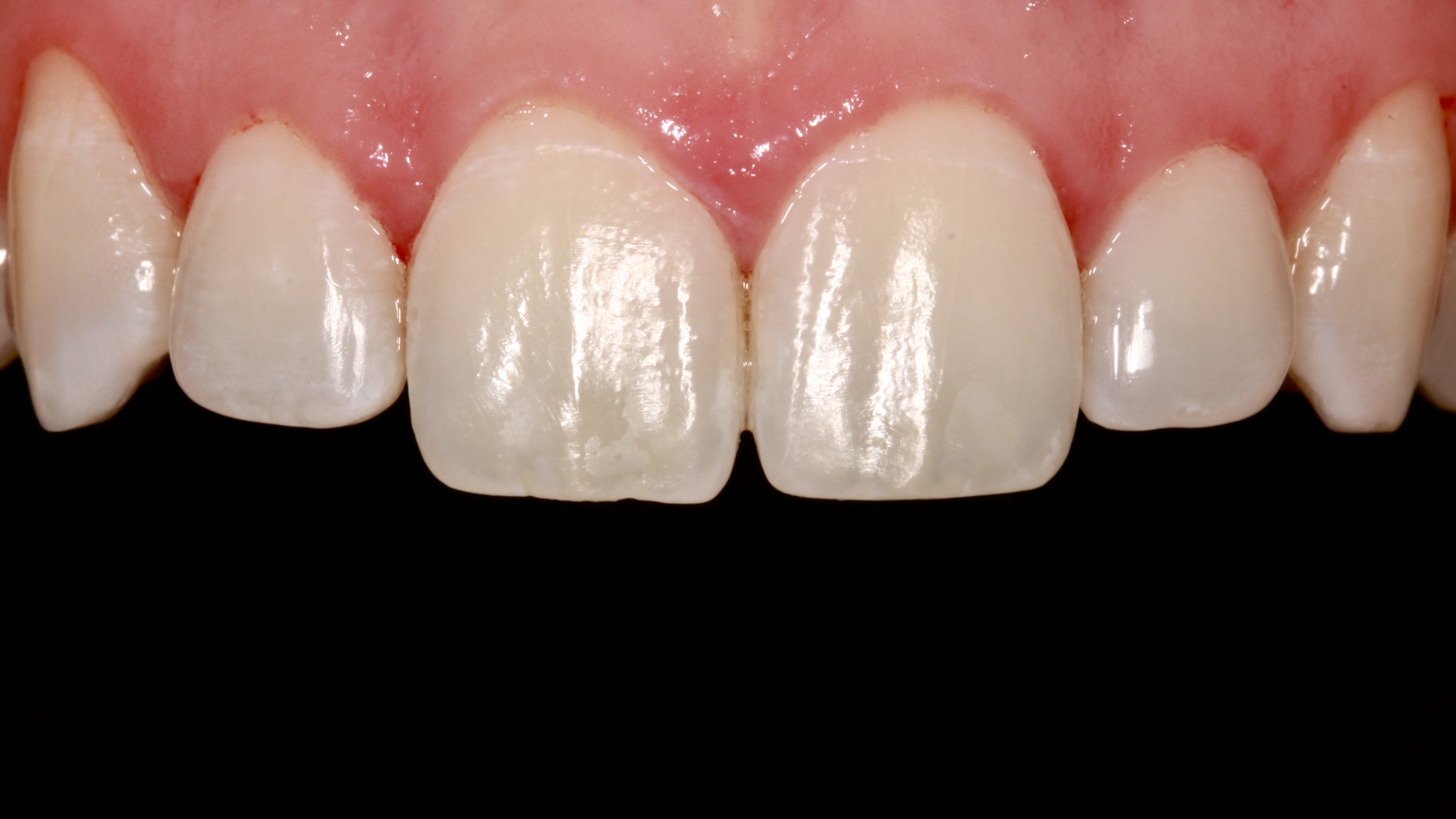
A tooth that used to feel fine may suddenly react to cold drinks. Or brushing may feel uncomfortable near certain areas. Sometimes patients notice rough edges, small chips, or changes in the way their teeth look.
These symptoms can happen because the protective structure of the tooth has been compromised. When enamel becomes thinner or damaged, the inner layers of the tooth may be more exposed to temperature changes and pressure.
In more advanced cases, repeated wear can contribute to larger restorative needs. That does not mean every person who chews ice will need major dental work. But for patients who already have bite issues, grinding, older restorations, enamel loss, or cracks, ice chewing can make a vulnerable situation worse.
This is why dentists take the habit seriously. It is not about being dramatic. It is about preventing avoidable damage.
Chewing ice costs nothing in the moment. That is part of the problem.
It feels like a harmless fixation. But if the habit contributes to long-term enamel loss, cracking, or major tooth wear, the eventual dentistry can be significant.
In the transcript, the dentist gives a blunt example: some patients with severe wear and breakdown end up needing full-mouth reconstruction, which can start around $50,000.
That number is not meant to scare every ice chewer into thinking they are automatically headed there. It is meant to put the habit in perspective.
If someone asked, “Would you spend $50,000, $60,000, or $70,000 because you liked chewing ice?” most people would say no immediately.
That is the point. Some dental habits feel small until the repair becomes large.
If you chew ice often, the best first step is simple: stop using your teeth to crunch it.
If the habit is occasional, replacing it may be enough. Try drinking cold water through a straw, letting ice melt instead of chewing it, or choosing crushed ice only if you are not biting down on it.
If the craving feels compulsive or constant, it may be worth discussing with a healthcare provider. Persistent ice craving, sometimes called pagophagia, can be associated with underlying health issues such as iron deficiency in some people.
You should also schedule a dental evaluation if you notice:
A dentist can check whether the habit has already caused enamel wear, cracks, bite stress, or restoration damage.
The better question is: what is the habit worth to you?
If chewing ice is just something you do without thinking, it is worth stopping before it causes damage. If it feels like a fixation, it is worth paying attention to why the craving is there. And if you already have tooth sensitivity or visible wear, it is worth getting an evaluation before a small issue becomes a large treatment plan.
At Tanglewood Dental, the goal is not to shame patients for everyday habits. It is to help patients understand how small choices affect long-term dental health, comfort, and function.
If you are concerned about tooth wear, sensitivity, or damage from chewing ice, schedule a consultation to evaluate your enamel, bite, and existing dental work.
Whether you're looking to enhance your smile or simply maintain lifelong oral health, we’re here to guide you with expert care and honest conversations.

Clear, honest answers to the dental questions you’ve been wondering about, because understanding your care shouldn’t be complicated.

.jpg)