.png)


Porcelain veneers and all-ceramic crowns are designed to resist staining. Unlike natural enamel, porcelain is not porous in the same way, so it is less likely to absorb color from coffee, tea, red wine, berries, sauces, or other highly pigmented foods.
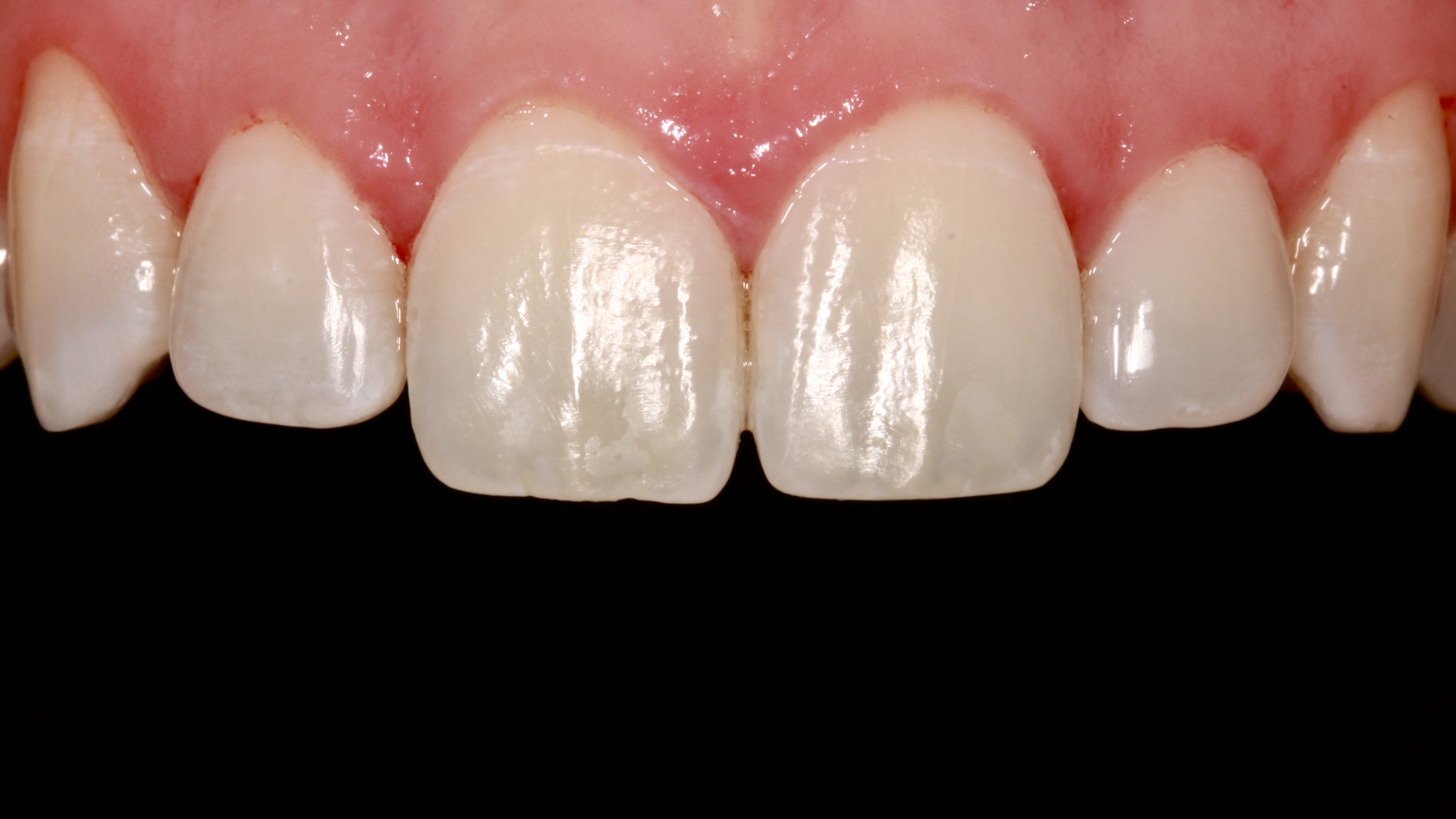
That said, patients may still notice discoloration around cosmetic dental work. The distinction matters: the porcelain may not be staining, but the edges, surface texture, bonding material, or surrounding natural tooth structure may be changing.
In other words, the question is often not, “Did my veneer stain?” It is, “Where is the discoloration coming from?”
One common cause of apparent staining is a rough surface.
If the glaze on a veneer or crown is worn, damaged, or not as smooth as it should be, stain and plaque can collect more easily. Patients may notice this around the edges or on areas that feel slightly less polished.
This kind of discoloration is often manageable. As the doctor noted, if the glaze is off or the surface is not smooth, there may be “little accumulation around the edges,” but it should often “polish off really easily.”
A skilled hygienist can usually remove this type of buildup during a professional cleaning. In some cases, the dentist may also polish the porcelain to make the surface smoother again.
Sometimes the discoloration is not on the front surface of the veneer or crown. Instead, it appears right where the restoration meets the natural tooth.
This edge is called the margin. It is one of the most important areas to monitor because it is where the porcelain, bonding material, and tooth structure meet.
Discoloration at the margin can happen for a few reasons:
If the discoloration is caused by hygiene-related buildup, improved brushing, flossing, and professional maintenance may help. But if the cement or restoration itself is aging, polishing may not fully solve the problem.
Even though porcelain is stain-resistant, the area around it still needs careful cleaning. Veneers and crowns are attached to natural teeth, and the margins can collect plaque if they are not cleaned thoroughly.
When plaque sits around the edges, it can cause discoloration and may contribute to breakdown of the bonding material over time. This is why daily care matters so much.
Patients with veneers or crowns should be especially consistent with:
Good home care protects both the appearance of the restoration and the health of the tooth underneath.
Another possible cause of darkness around a crown or veneer is aging of the cement or material interface.
The doctor described this as oxidation that can occur with the cement, especially as the veneer or crown gets older. With all-ceramic restorations, patients may eventually notice some darkness at the edge. That can be a sign that the restoration is reaching the end of its useful life.
This does not mean the original dentistry was poorly done. It means the materials have aged.
A helpful comparison is the tread on a tire. A tire may still be attached to the car, but that does not mean it is still performing the way it should. In the same way, a veneer may still be bonded in place, but the edges, cement, or fit may show signs that it is time to evaluate replacement.
Many patients assume that if a veneer or crown has not chipped, cracked, or come loose, then everything must be okay. But cosmetic dental work can need replacement before it fails dramatically.
A visible line, darkness at the margin, roughness, or recurring buildup may be an early sign that the restoration deserves a closer look.
As the doctor explained, “Just because the veneer didn’t pop off doesn’t mean it’s not time to replace it.”
That is an important point for patients who value refined, natural-looking dentistry. The goal is not to wait until something breaks. The goal is to monitor changes early so the tooth underneath stays healthy and the smile continues to look natural.
Not every stain or dark line means a veneer or crown needs to be replaced. The right solution depends on the cause.
Polishing may be enough when:
A closer exam is needed when:
Replacement may be recommended when:
The only way to know is to have the restoration evaluated in person.
Eating habits do matter, but they are only part of the picture. Coffee, tea, wine, and deeply colored foods can contribute to surface stain if there are rough areas or buildup. But the bigger long-term factors are usually maintenance, hygiene, material quality, bite forces, and age.
To help veneers and crowns last as long as possible:
The goal is not just to keep the porcelain bright. It is to protect the entire restoration system: the porcelain, the cement, the tooth underneath, and the gum tissue around it.
If you notice staining, a dark line, or discoloration around a veneer or crown, do not assume the porcelain itself is ruined. It may be something simple that can be polished. It may also be a sign that the bonding material or restoration is aging.
A dentist can help determine whether the issue is surface stain, hygiene-related buildup, cement discoloration, or a sign that replacement should be considered.
Veneers and crowns can be beautiful, durable, and natural-looking, but they are not meant to last forever. The best approach is honest evaluation, thoughtful maintenance, and replacement when it truly serves the health and appearance of the smile.
Whether you're looking to enhance your smile or simply maintain lifelong oral health, we’re here to guide you with expert care and honest conversations.

Clear, honest answers to the dental questions you’ve been wondering about, because understanding your care shouldn’t be complicated.

.jpg)