.png)

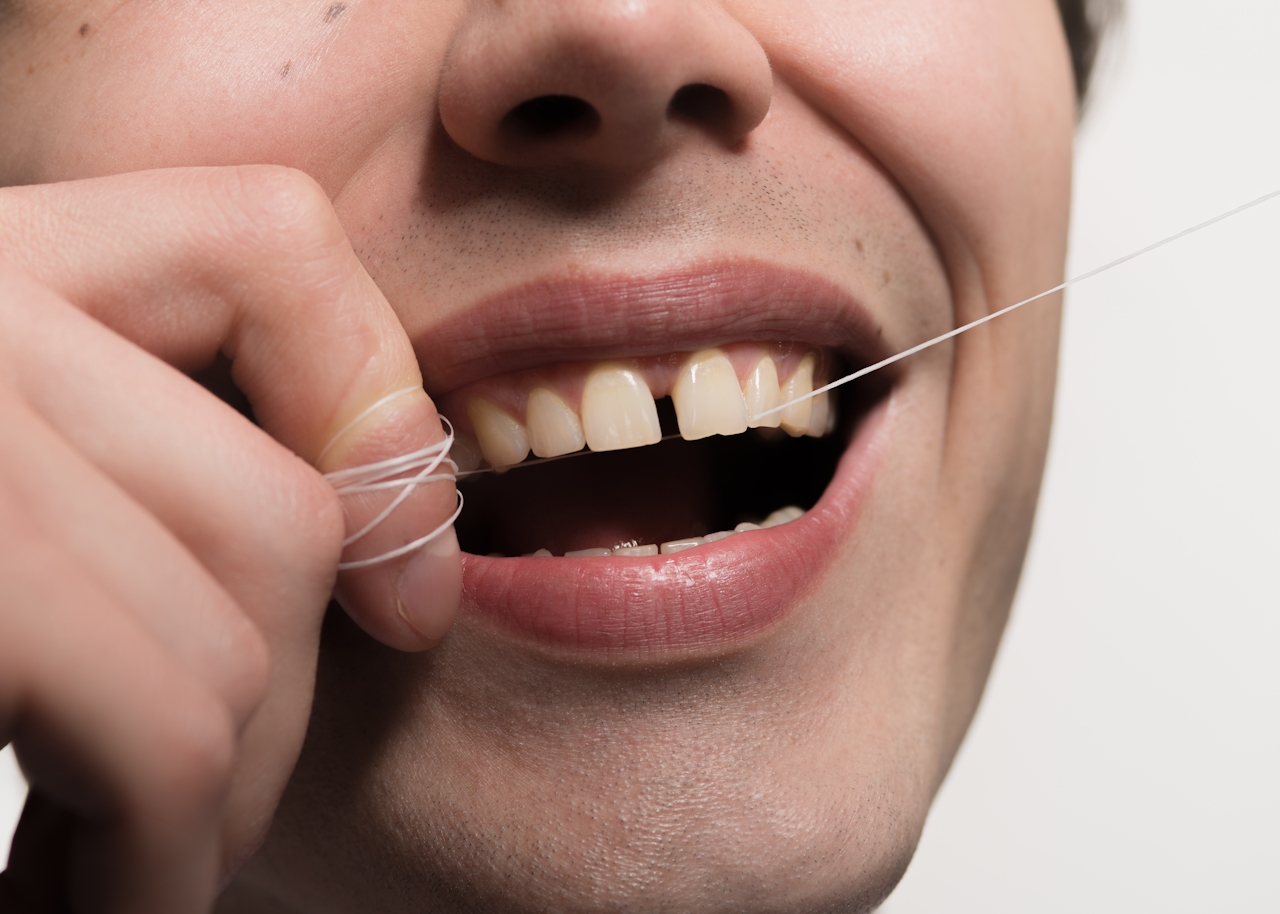
If your dentist has mentioned gingivitis or gum disease, it is natural to wonder whether those terms mean the same thing. The simplest answer is this: gingivitis is the earliest stage of gum disease, and it is often still reversible. Periodontitis, the more advanced form of gum disease, is more serious and requires ongoing professional care.
As the transcript puts it, “It’s all about where it is in the process.” That distinction matters. Catching gum inflammation early can help protect your comfort, your natural teeth, and your long-term oral health.
Gingivitis is inflammation of the gums. It often happens when plaque builds up along the gumline. Plaque is the sticky bacterial film that forms on teeth, and when it is not removed thoroughly, it can irritate the gum tissue.
Common signs of gingivitis may include:
The important thing to know is that gingivitis has not yet caused the deeper damage associated with periodontitis. With better home care and professional cleaning, gingivitis can often improve significantly.
Periodontitis is a more advanced form of gum disease. At this stage, inflammation affects the structures that help support the teeth. That can include deeper gum pockets, supporting tissue, and bone around the teeth.
This is where the condition becomes less simple. Gingivitis may be reversed, but periodontitis typically needs professional periodontal treatment and ongoing maintenance. The goal is to control the disease, reduce inflammation, remove harmful buildup, and help prevent further breakdown.
In other words, gingivitis is the warning light. Periodontitis means the issue has moved deeper.
Daily brushing and flossing help remove plaque before it hardens. But once plaque becomes tartar, also called calculus, it cannot be removed with a toothbrush or floss at home. It needs to be removed professionally.
That is why routine dental cleanings are more than just a polish. They allow your dental team to remove buildup from areas that are difficult or impossible to clean on your own, especially near and below the gumline.
The transcript highlights this clearly: seeing a dentist helps remove “the plaque and tartar that’s built up that you can’t get off” with brushing and flossing alone.
Improving gingivitis usually comes down to two connected steps: professional care and better daily habits.
A dental visit can remove hardened tartar and help identify areas where plaque is collecting. From there, your home routine matters. Your dentist or hygienist may recommend adjustments to brushing technique, flossing, interdental brushes, water flossing, or other tools based on your mouth.
Diet and lifestyle can also play a role. While home care is essential, gum health is not only about brushing harder. It is about brushing effectively, cleaning between the teeth consistently, and getting the right professional guidance before inflammation progresses.
If your gums bleed regularly, feel tender, look puffy, or seem to be pulling away from the teeth, it is worth scheduling an evaluation. Bleeding gums are common, but they should not be ignored.
A thoughtful dental exam can help determine whether you are dealing with early gingivitis or a more advanced periodontal concern. From there, your dentist can recommend the right level of care.
For many patients, especially those who value long-term health and low-maintenance dentistry, early treatment is the better investment. It is usually simpler to address gum inflammation before it becomes a deeper problem.
Gingivitis and gum disease are connected, but they are not always the same stage of the same process. Gingivitis is early gum inflammation and is often reversible. Periodontitis is more advanced and requires more structured care.
If you are noticing bleeding, swelling, or changes in your gums, the best next step is a professional dental exam and cleaning. With the right care plan, you can understand exactly where you are in the process and what to do next.
Whether you're looking to enhance your smile or simply maintain lifelong oral health, we’re here to guide you with expert care and honest conversations.

Clear, honest answers to the dental questions you’ve been wondering about, because understanding your care shouldn’t be complicated.

.jpg)