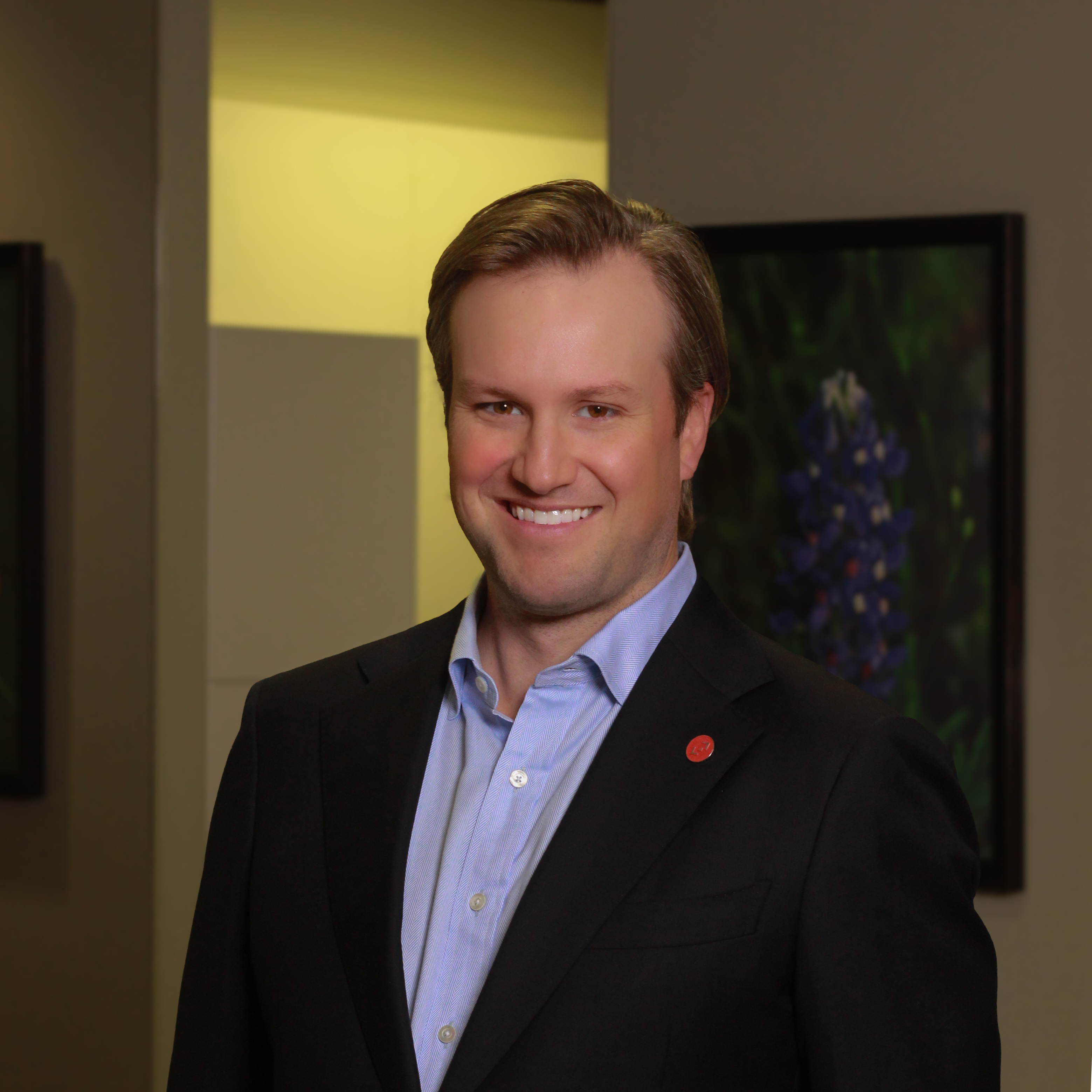

Burton speaks in front of conferences and large organizations. He also shows a lot of teeth when he talks, which is natural for some people. For years, that meant spending part of every talk trying to hide his lower teeth.
"I wanted to have the confidence to not be worried about how I'm holding my mouth," he said, "to just be confident and focus on what I'm saying."
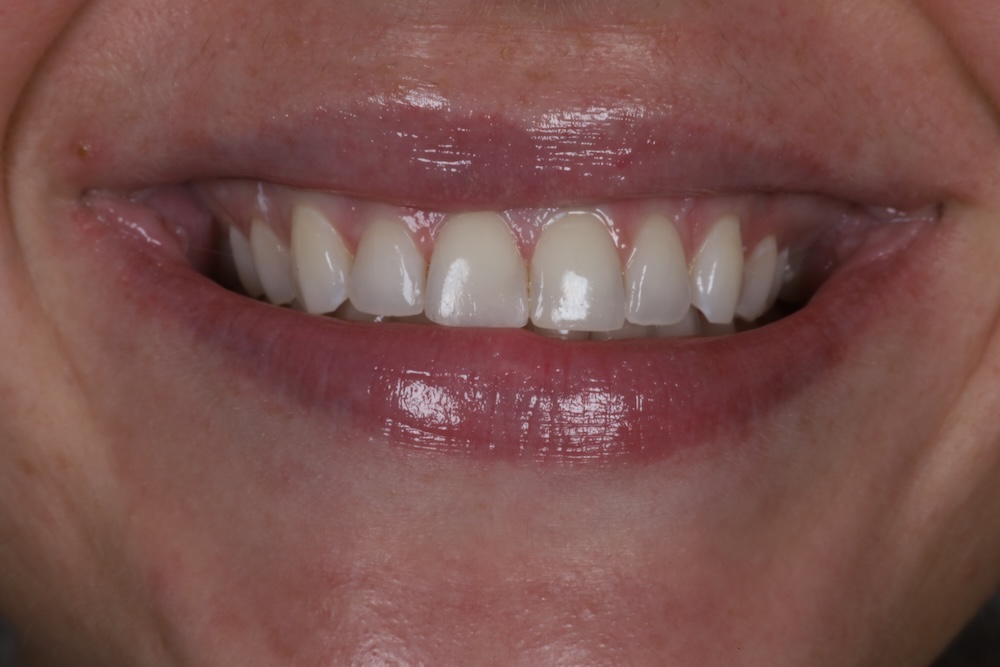
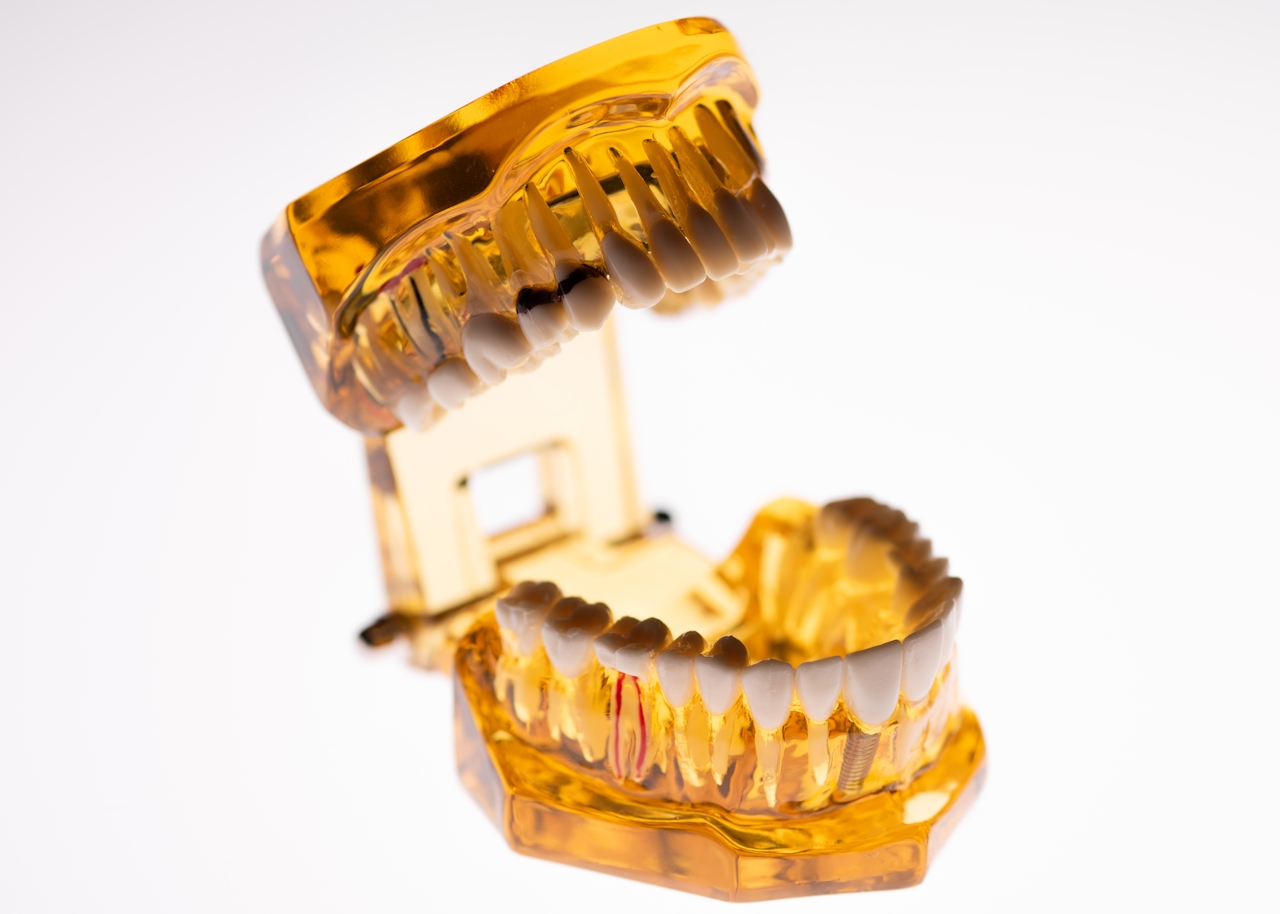
His upper teeth were in good shape. The lower teeth had been through a lot: several teeth removed, implants placed years earlier, a couple more teeth lost, and wide spaces left behind. Some of his older crowns were oversized to fill those gaps, and teeth had shifted down out of line with the rest of his bite.
Dr. Lawnin started with a mockup, a preview of what Burton's new lower teeth could look like. Burton liked it right away and wanted to know how to get there.
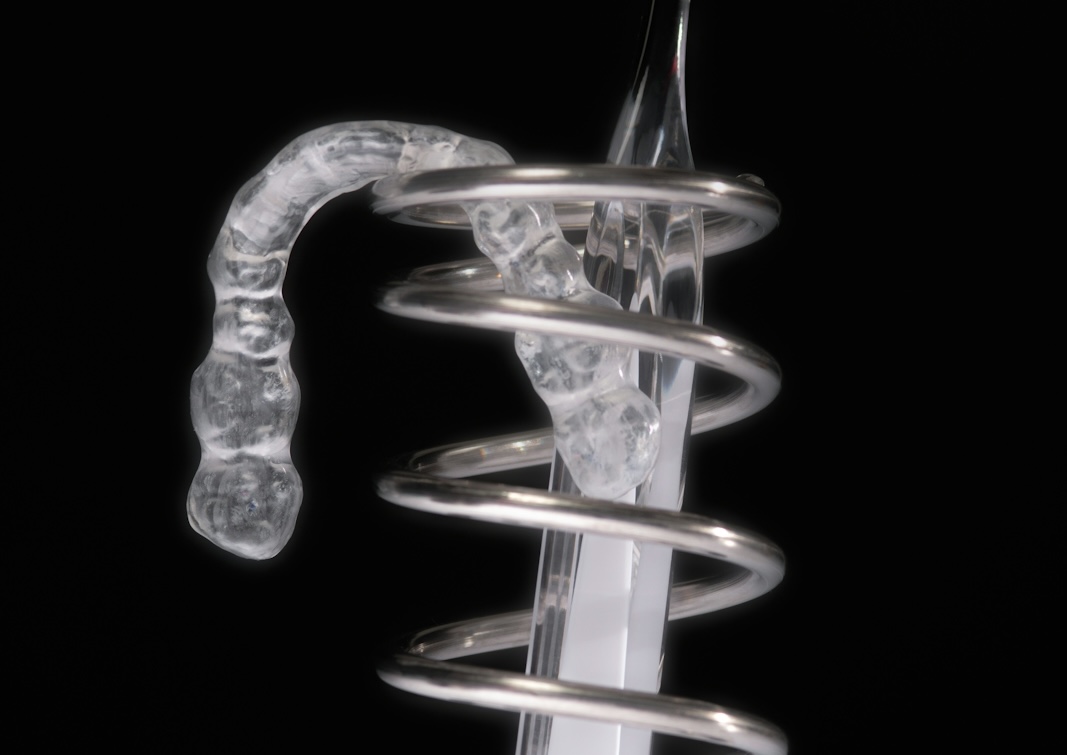
Faster orthodontics with SFOT. Burton was open to moving his teeth, which made a big difference. To speed things up, Dr. Lawnin paired his clear aligners with surgically facilitated orthodontic treatment (SFOT). A surgeon Dr. Lawnin works with often made tiny perforations in the bone between the roots and added bone graft. That small injury wakes up the bone's natural healing response, so teeth move faster and more predictably.
Burton also needed bone grafting for new implants on his lower right, so both procedures were done at the same time. The recovery is a lot like having wisdom teeth out: about a week of soreness and swelling. Dr. Lawnin says SFOT can cut orthodontic time roughly in half, which is why he raises it with anyone working to a deadline. It does add cost.
Evening out the spaces instead of closing them. Because of how Burton's jaws meet, closing every gap wasn't the best option. Instead, the aligners spread the spaces out evenly so restorations could fill them naturally.
Minimal-prep porcelain on the lower teeth. Bonding could have worked well here too. Burton preferred porcelain, so that's what we used. His natural lower teeth were bulb-shaped, narrow at the gum and wide at the top, so Dr. Lawnin reshaped only those bulges. The enamel on the front and sides stayed. That let the new restorations come out of the gum the way natural teeth do, so they look right and are easy to clean.
The upper teeth needed almost nothing. Dr. Lawnin polished a few edges and left the rest alone.
Any big orthodontic plan has an awkward phase. As Burton's teeth moved, spaces opened up that weren't there before. Between remote-monitoring check-ins, that was unsettling. "Whoa, the spaces are showing up," was his reaction.
Dr. Lawnin compares it to the stage kids go through when baby teeth and adult teeth are mixed together: everything looks a little off, and that's normal. Burton is a basketball fan, so Dr. Lawnin also borrowed a phrase from the 76ers: trust the process. Seeing his scans along the way helped. "Being able to see the scans along the way truly gave me the confidence," Burton said.
Burton had a major speaking engagement coming up before his final porcelain was ready. Dr. Lawnin didn't want to rush the ceramics, and Burton's temporaries already looked great, since they're made from the same design as the finished teeth. He gave his talk in temporaries and felt completely comfortable. The final restorations went on afterward.
Along the way, Burton also had his first professional whitening. He'd only ever used baking soda before. "This is the whitest I've ever seen my teeth," he said, and he had no sensitivity afterward.
Burton's two lower right implants have just been placed. Temporaries will help shape the gum tissue, then the permanent crowns go on in a few months. From start to finish, the whole case will have taken about 18 months, which is short for this much work.
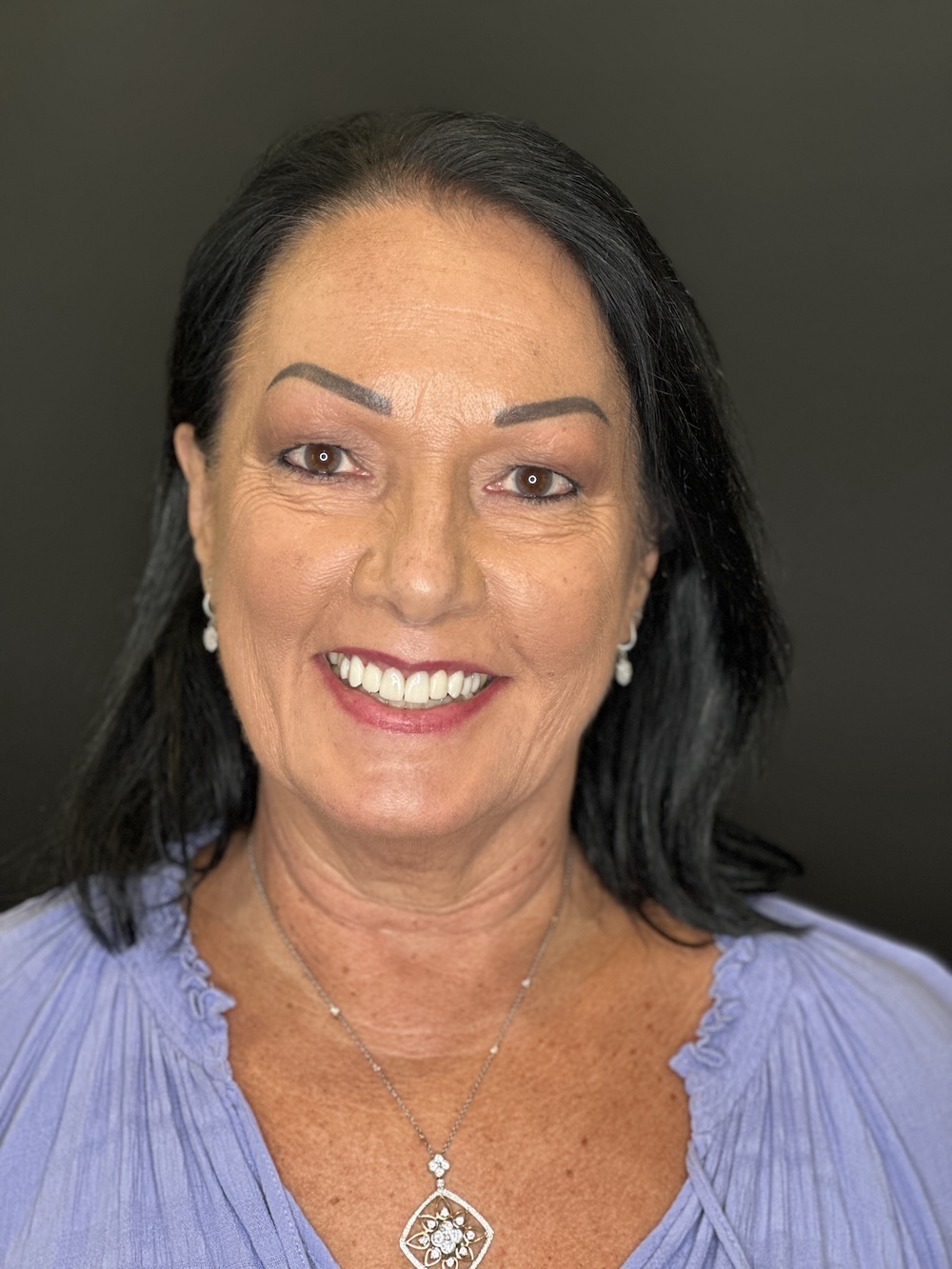
His lower teeth are now in positions that are easier to clean and a more stable bite, which helps prevent problems later. And he's not hiding them anymore. "Today super exceeded my expectations," he said after seeing one of his final scans. "I actually thought it wasn't going to be as good, but it's way better than what I thought."
Surgically facilitated orthodontic treatment. Small perforations and bone grafting between the roots speed up tooth movement. Recovery is similar to having wisdom teeth out.
Yes. Burton's plan used aligners, SFOT, implants and porcelain restorations, sequenced around his schedule.
Often, yes. They're made from the same design as the final teeth, so the differences only show up close.
If part of your attention in every meeting goes to your smile, it's worth seeing what a plan could look like, deadline included. Wouldn't it be nice to just focus on what you're saying?
Whether you're looking to enhance your smile or simply maintain lifelong oral health, we’re here to guide you with expert care and honest conversations.

Clear, honest answers to the dental questions you’ve been wondering about, because understanding your care shouldn’t be complicated.