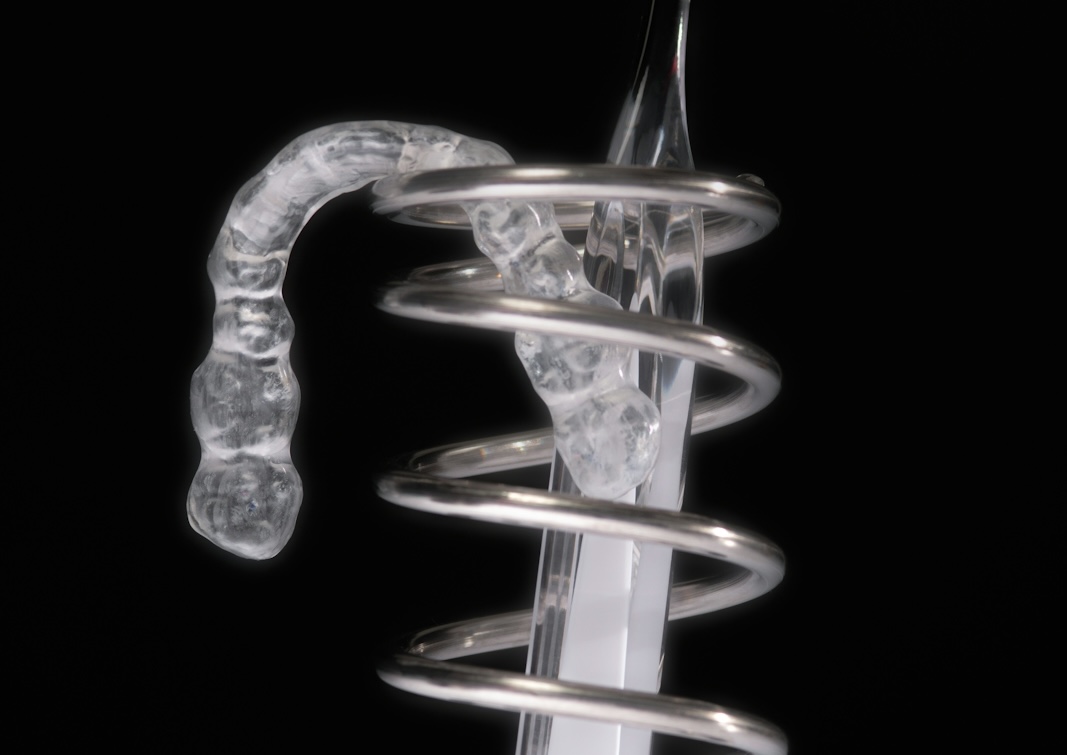
For most adults, aligners like Invisalign can finish faster than braces, and they give your dentist more precise control over how each tooth moves. Both are tools, though. A well-planned case with either one beats a poorly planned case with the other.
Orthodontist Daniel Ramos says traditional orthodontic treatment usually runs 24 to 30 months. With aligners, he sees treatment times coming down for three reasons:
His target is under two years. If an aligner case runs longer than that, he says, something is going on and the team needs to figure out what. Shorter treatment is also better for the roots, since less time moving teeth means less risk of root resorption.
Ramos calls the force system "the secret sauce": knowing exactly how much force each tooth needs to move in each direction. Aligner software lets the team control that much more closely than braces do.
Often, yes. Aligners can move several teeth at once with precise force control, and Ramos aims to finish in under two years.
Neither is automatically better. Aligners offer more precise control and are removable, but either one needs good planning.
Many of them. Large bite problems may need extra tools, like temporary anchors or surgery, whichever appliance you use.
At a consult we can show you a digital plan and an estimated timeline before you commit to anything. Wouldn't that make the decision easier?
Whether you're looking to enhance your smile or simply maintain lifelong oral health, we’re here to guide you with expert care and honest conversations.

Clear, honest answers to the dental questions you’ve been wondering about, because understanding your care shouldn’t be complicated.