.png)

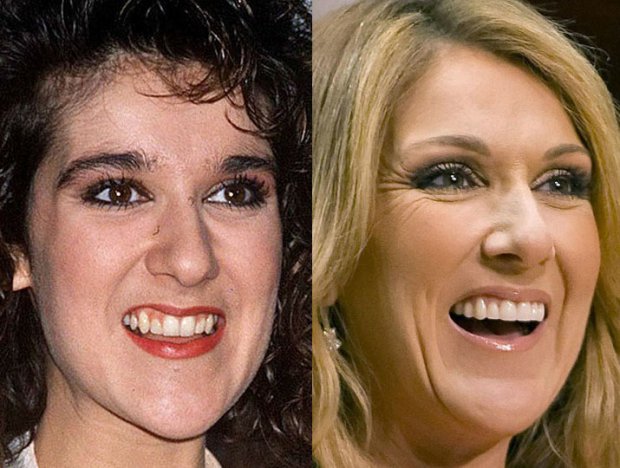
Celine Dion's smile is bright, polished, and recognizable. Many people would look at it and think it represents successful cosmetic dentistry. But Dr. Lawnin's reaction in the celebrity smile rating was more nuanced. He did not say everything was wrong. In fact, he pointed out several things that were done well. The issue was that the teeth appeared a little too bulky.
That makes Celine Dion a helpful example for one of the most common patient concerns about veneers: will they look fake? The answer depends less on the porcelain itself and more on the planning, contour, shape, thickness, and relationship between the teeth and the face.
When veneers look bulky, patients may describe them as thick, square, heavy, or like something is sitting on top of the teeth. That is similar to the concern Dr. Lawnin described. The teeth may be straight and white, but the visual impression is that the restorations are too far forward or too large for the face.
Natural teeth do not look like identical blocks of porcelain. They have shape. They have curves. They have subtle edges. They transition naturally out of the gum tissue. When those details are missing, the smile can look artificial even if the dentistry is expensive.
One thing Dr. Lawnin liked about the smile was the central tooth dominance. This means the two front central teeth have the right visual importance in the smile. They should usually be slightly dominant, with the lateral incisors and canines supporting the shape around them.
When central dominance is handled well, the smile has structure. When it is overdone, the two front teeth can look too big. When it is missing, the smile can look flat or generic. Celine Dion's smile, in Dr. Lawnin's view, had a good foundation in this area. The concern was not the basic arrangement. The concern was the bulk and surface character.
Bulky veneers can happen for several reasons. Sometimes the teeth were not positioned ideally before treatment, so porcelain has to be added in a way that creates thickness. Sometimes the dentist is trying to change the tooth shape or fill out the smile quickly. Sometimes not enough time is spent on the wax-up, mock-up, or laboratory communication.
This is also why minimal-prep veneers are not automatically better in every case. If a tooth is already positioned forward and porcelain is added without creating space, the result can look bulky. Conservative dentistry is important, but conservative does not mean skipping planning. It means removing as little healthy tooth as possible while still designing a natural shape.
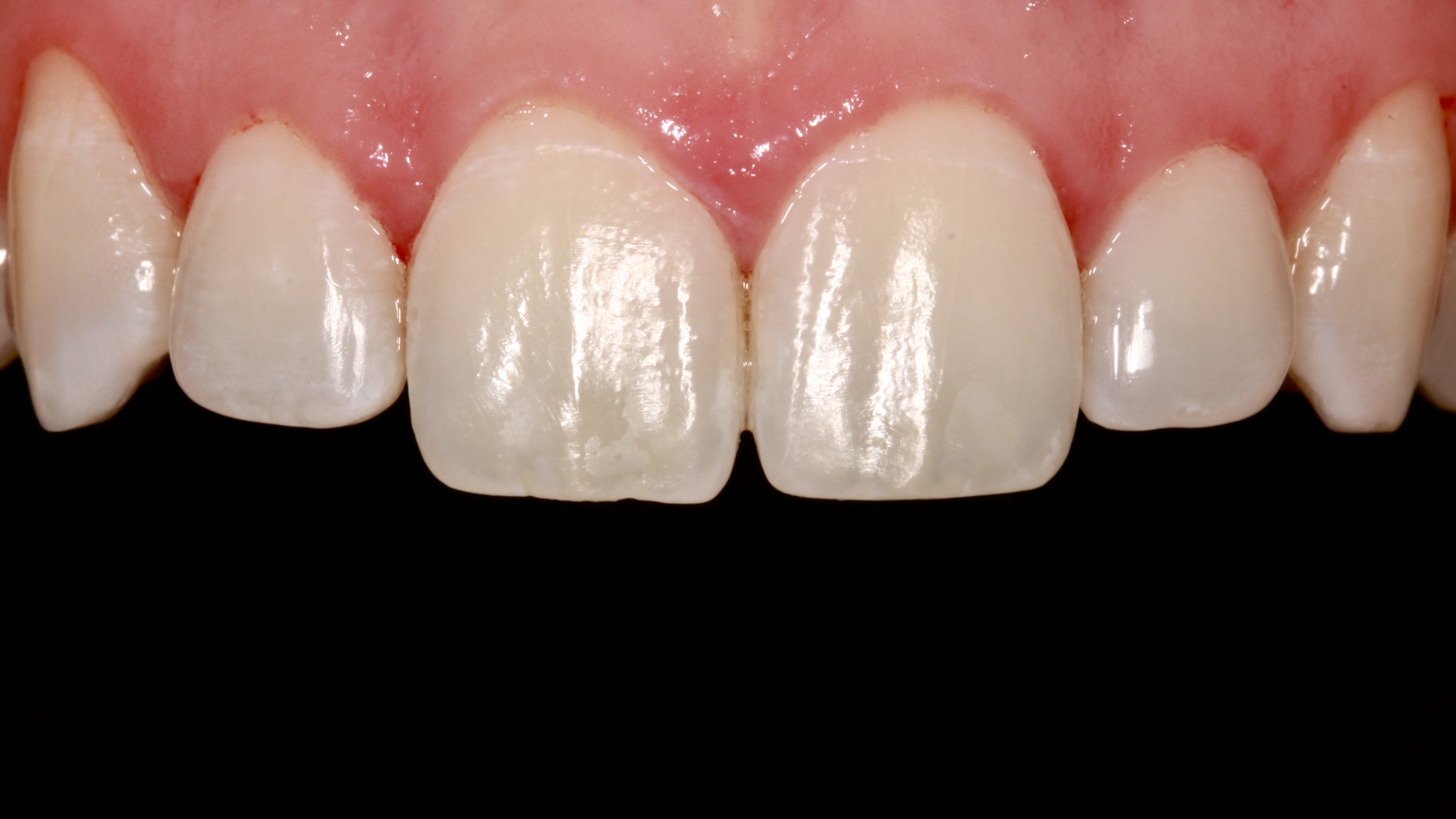
A veneer is not just a white shell. The way light reflects off the tooth is shaped by contour and line angles. Line angles are the subtle vertical areas that define the front surface of a tooth. They help a tooth look narrower, wider, softer, stronger, younger, or more mature.
When line angles are not carefully designed, veneers can look too square or too uniform. When contours are too full, they can look thick. The best veneer work uses these tiny details to create the illusion of a natural tooth.
The best way to avoid bulky veneers is to ask about the planning process before treatment begins. Will you see a smile preview? Will the dentist evaluate your bite and tooth position? Will orthodontics be discussed if your teeth are too far forward or crowded? Which lab will make the veneers? How will the shape be customized to your face?
A good veneer plan should feel specific. It should not sound like every patient receives the same shape, shade, and number of veneers.
Celine Dion's smile shows that veneers can be technically attractive but still look slightly unnatural if the proportions are off. Straight and white is not enough. The teeth have to look like they grew there.
If you are considering veneers, do not only ask what material is being used. Ask how the veneers will be designed, how the tooth shape will be tested, and how the dentist will prevent the final smile from looking bulky.
Natural-looking veneers rely on proportion, line angles, texture, translucency, gum contours, and a shape that fits the patient's face.
Thinking about veneers but afraid they will look fake? Tanglewood Dental Associates can help you preview, plan, and design a smile that looks natural to your face.
Whether you're looking to enhance your smile or simply maintain lifelong oral health, we’re here to guide you with expert care and honest conversations.

Clear, honest answers to the dental questions you’ve been wondering about, because understanding your care shouldn’t be complicated.
.jpg)