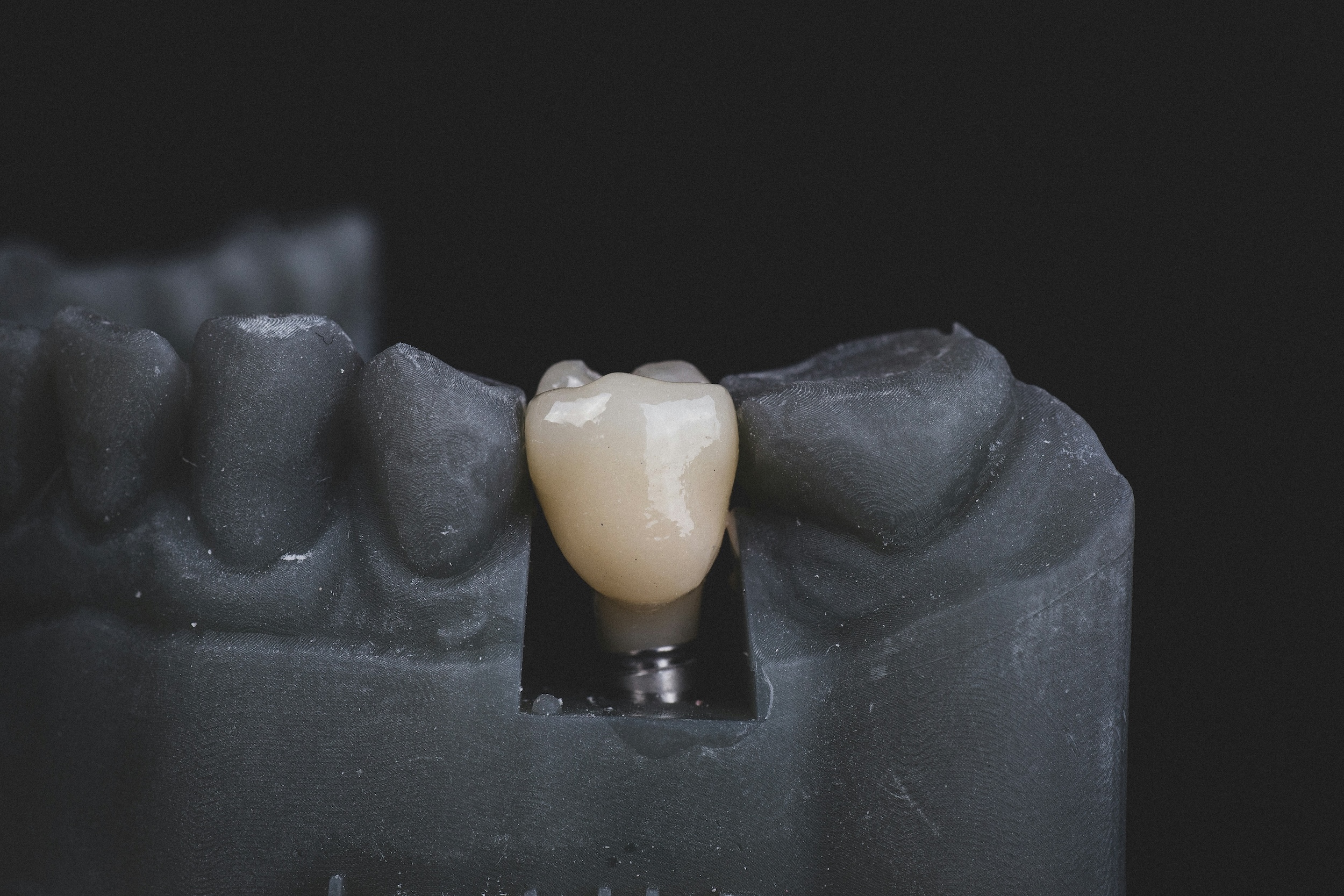
The best toothpaste for veneers is a low-abrasion paste with fluoride or nano-hydroxyapatite. Skip whitening pastes and anything gritty with silica, because abrasive pastes slowly wear down the glaze that keeps porcelain smooth and stain-resistant.
Toothpaste abrasiveness is measured on a scale called RDA. Dr. Lawnin looks for pastes under 70. Porcelain doesn't whiten, so whitening toothpaste can't change your veneers' color. All it can do is scuff the surface.
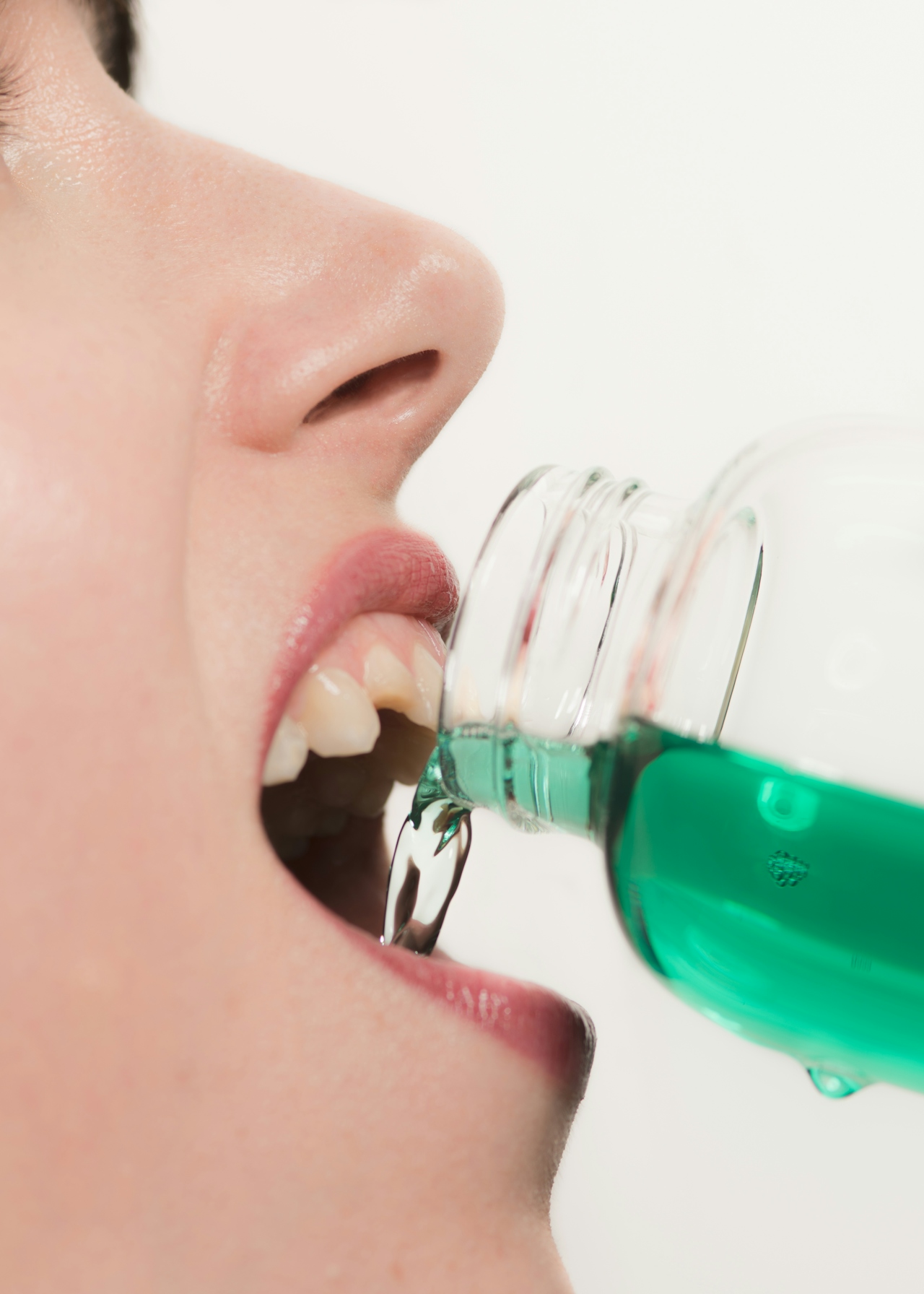
Choose alcohol-free. Alcohol dries your mouth and strips the protective layer on your gums, and healthy gums are what keep the veneer edges looking clean. Good options are ACT (fluoride), CloSYS (no burn) and TheraBreath.
Choose floss based on how tight the contacts between your teeth are:
Wrap the floss around each tooth and slide it just under the gum. The place where the veneer meets the gum is the spot to keep cleanest.
Use a rechargeable Sonicare or Oral-B iO with a pressure sensor, so you can't scrub too hard.
Whitening, charcoal and other gritty pastes. They can't whiten porcelain and can dull its surface.
The natural tooth under and around each veneer can still get cavities, so fluoride or nano-hydroxyapatite still matters.
Yes. One with a pressure sensor is ideal.
Bring what you're using to your next cleaning and we'll tell you what to keep and what to swap. Isn't that easier than guessing in the store aisle?
Whether you're looking to enhance your smile or simply maintain lifelong oral health, we’re here to guide you with expert care and honest conversations.

Clear, honest answers to the dental questions you’ve been wondering about, because understanding your care shouldn’t be complicated.