.png)

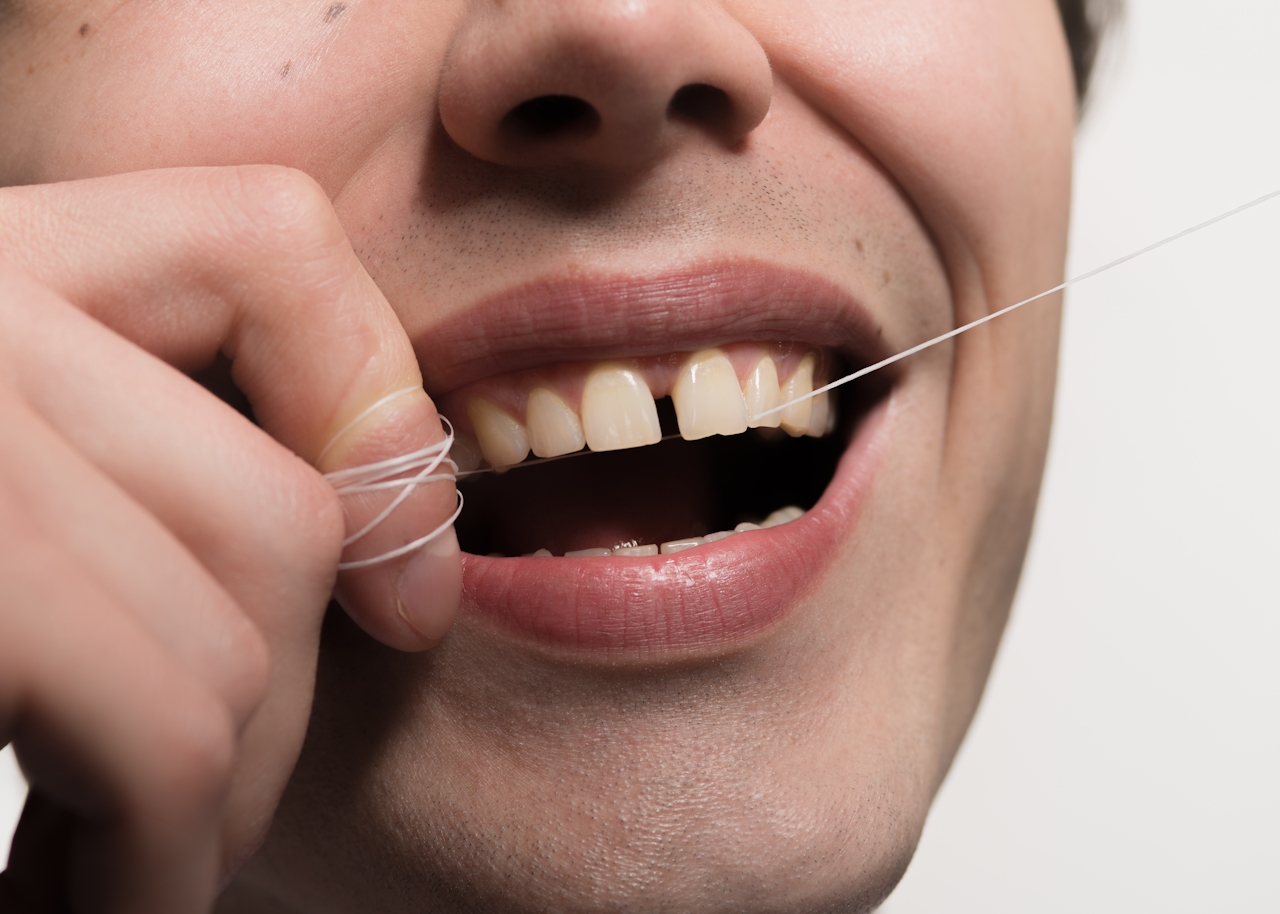
When patients ask, “What brand of floss do you recommend?” the answer is usually simpler than people expect, but not quite one-size-fits-all. The best floss depends on how tight or loose the spaces are between your teeth.
That matters because floss that works beautifully for one person may be hard to use or barely effective for someone else. If floss shreds, gets stuck, or feels like it is not cleaning much at all, the issue may not be your technique. You may just be using the wrong type of floss for your tooth spacing.
Flossing works best when the floss can move into the space between teeth, make contact with the tooth surface, and help lift out plaque and trapped debris. If the floss is too thick for tight contacts, it can be difficult to get through. If it is too thin for loose contacts, it may slide through without cleaning very well.
That is why choosing floss based on your specific smile can make such a big difference. The right floss makes the habit easier, more comfortable, and more effective.
If you have very tight contacts between your teeth, a smooth floss is usually the better choice. Dr. Lawnin recommends options like Glide for patients in this category because it slides in more easily. He also mentioned liking a floss with small threads that still enters tight spaces well while providing a little more cleaning texture.
For tight spaces, the goal is simple: use a floss that can get in without a fight. When flossing feels difficult every night, people are less likely to stay consistent. A smoother, thinner floss can make the process more manageable and help you clean those hard-to-reach areas more reliably.
Signs you may have tight contacts include:
If the spaces between your teeth are looser, very thin floss may not do enough. In those cases, Dr. Lawnin prefers thicker options such as Cocofloss or Oral-B Super Floss.
These types of floss are bulkier and often have more texture, which helps them grab more debris and plaque as they move between the teeth. For someone with loose contacts, that extra thickness can make flossing much more effective.
Signs you may have looser contacts include:
One important point patients do not always realize is that your whole mouth may not behave the same way. Some areas may feel tighter, while others are more open. That means the floss you love in one spot may not feel ideal in another.
If your current floss feels frustrating or ineffective, it may be worth trying another type rather than giving up on flossing altogether. In some cases, your dentist may even recommend using different tools in different areas, depending on spacing and the shape of your teeth.
There is no single “best floss” for everyone. The best floss is the one that matches your tooth spacing and helps you clean thoroughly without making the process harder than it needs to be.
For tight contacts, smoother flosses like Glide are often a smart choice. For looser contacts, thicker products like Cocofloss or Oral-B Super Floss may do a better job. The key is finding a floss that works with your mouth, not against it.
If you are not sure what to use, ask at your next dental visit. A quick recommendation based on your teeth can make your daily routine easier and more effective.
Whether you're looking to enhance your smile or simply maintain lifelong oral health, we’re here to guide you with expert care and honest conversations.

Clear, honest answers to the dental questions you’ve been wondering about, because understanding your care shouldn’t be complicated.
_Nick_Fancher_Photos_ID3467.jpg)