.png)

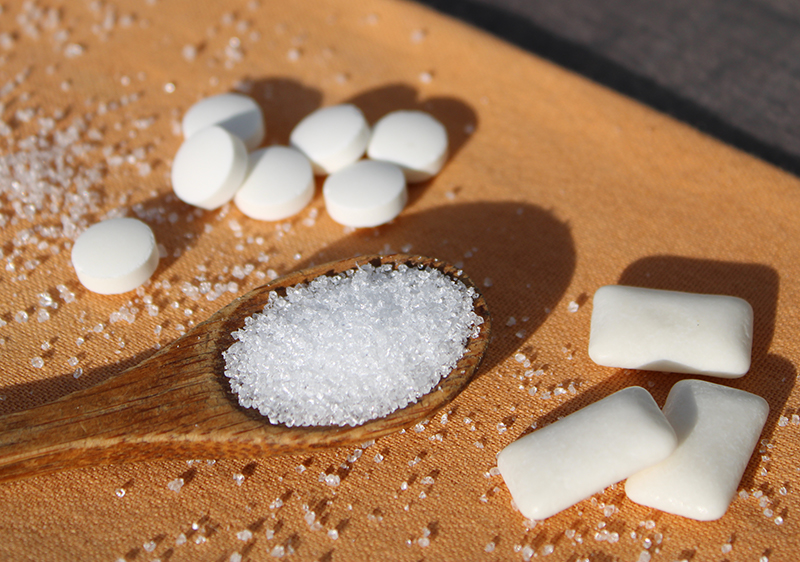
If you have ever looked at the ingredient list on a toothpaste, mouth rinse, mint, or pack of sugar-free gum, you may have seen the word xylitol. It sounds a little clinical, but it is actually a naturally occurring sweetener found in many plants, fruits, and vegetables.
It is also one of those oral health ingredients that deserves more attention.
Xylitol is often described as a sugar alcohol, which can be confusing. That does not mean it is the same as the alcohol found in wine, beer, or spirits. Sugar alcohols are a category of sweeteners that include xylitol, sorbitol, mannitol, and erythritol. They are used because they taste sweet but behave differently from regular sugar in the mouth.
For patients who care about prevention, long-term tooth health, and maintaining a clean, healthy smile between dental visits, xylitol can be a useful ingredient to understand. It is not a replacement for brushing, flossing, fluoride, or regular dental care, but it can be a smart support tool when used appropriately.
Xylitol is a naturally derived sweetener commonly used in sugar-free gum, mints, toothpaste, and some oral care products. Unlike regular sugar, xylitol is not easily used by the bacteria in your mouth to produce acids.
That matters because acid is one of the major drivers of tooth decay. When cavity-causing bacteria feed on fermentable carbohydrates and sugars, they produce acids that can weaken enamel over time. Xylitol is valuable because it gives products a sweet taste without feeding that same acid-producing process in the same way regular sugar does.
Stevia is sometimes mentioned alongside xylitol because both are used as natural sweeteners, but they are not the same type of ingredient. Xylitol is a sugar alcohol. Stevia is a plant-derived sweetener from a different category. For oral health, xylitol gets special attention because of how it interacts with bacteria and saliva.
One of the most important bacteria involved in tooth decay is Streptococcus mutans. This bacteria contributes to the cavity process by helping create an acidic environment that can break down enamel.
Xylitol appears to help reduce the activity and amount of these cavity-associated bacteria. The American Dental Association notes that possible ways xylitol may reduce cavity risk include replacing fermentable carbohydrates, reducing acid production, inhibiting Streptococcus mutans, and increasing salivary flow, especially in sugar-free gum.
That is why xylitol often shows up in products designed to support cavity prevention. It is not magic, and it does not make someone “cavity proof,” but it can make the mouth a less friendly environment for the bacteria that contribute to decay.
For patients who are investing in their long-term oral health, that distinction matters. Dentistry is not only about fixing problems after they appear. It is also about making the everyday environment in your mouth healthier and more stable.
The transcript explains it perfectly: saliva is like the oil to the engine for your mouth.
Without enough saliva, the mouth becomes more vulnerable. Saliva helps wash away food particles, dilute acids, support a healthier pH, and carry minerals that help protect and remineralize enamel. When saliva flow is reduced, patients may notice dry mouth, more plaque buildup, bad breath, sensitivity, or a higher risk of cavities.
This is one reason sugar-free gum can be helpful after meals. The act of chewing stimulates saliva production. According to the ADA, chewing sugar-free gum can increase saliva flow, help reduce plaque acids, strengthen teeth, and reduce tooth decay risk.
That does not mean gum replaces brushing. It simply means that when brushing is not realistic, such as after lunch, during travel, or between meetings, sugar-free gum can be a practical support.
After a meal, the mouth goes through an acid challenge. Bacteria interact with food particles and sugars, and the pH in the mouth can drop. The more often this happens throughout the day, the harder your teeth have to work to recover.
Chewing sugar-free gum after eating can help because it stimulates saliva. When that gum contains xylitol, it may add another layer of support by avoiding regular sugar and helping reduce the activity of cavity-associated bacteria.
A simple habit can look like this:
This is especially helpful for busy professionals, parents, frequent travelers, and anyone who spends long stretches away from home during the day. It is a small habit that fits into real life.
Many patients focus on flavor when choosing toothpaste, but ingredients matter. Xylitol can be a helpful addition because it supports a mouth environment that is less favorable to cavity-causing bacteria.
That said, the best toothpaste for you depends on your specific needs. Some patients need fluoride for cavity prevention. Others may need sensitivity support, dry mouth products, gum-health support, or prescription-strength options. Xylitol can be a good ingredient to look for, but it should be considered as part of the full formula, not the only deciding factor.
For patients with a history of cavities, dry mouth, exposed roots, orthodontic treatment, or frequent snacking, it may be worth asking your dentist about xylitol-containing products.
Xylitol is helpful, but it should be kept in perspective.
It does not replace:
It also does not cancel out a high-sugar diet. If regular sugar is frequently present, cavity-causing bacteria still have fuel. Xylitol works best as part of a broader prevention routine.
The goal is not to chase one perfect ingredient. The goal is to build a mouth environment that stays healthier over time.
If you want to make xylitol part of your oral health routine, start small.
Look for xylitol in sugar-free gum, especially if you want something to use after meals when you cannot brush. Review your toothpaste ingredients and ask your dentist whether your current toothpaste fits your cavity risk, gum health, and sensitivity needs.
Most importantly, think of xylitol as an adjunct. It is one of the useful support tools that can help protect your teeth between dental visits, but the foundation remains consistent home care and professional guidance.
A healthy mouth is not built from one product. It is built from repeated choices that reduce risk, protect enamel, and keep your smile functioning well for the long term.
Xylitol is a simple ingredient with a practical role in oral health. It is a natural sugar alcohol, not drinking alcohol, and it is commonly used in toothpaste, mints, and sugar-free gum. Its value comes from two main benefits: it can help make the mouth less favorable for cavity-associated bacteria, and it supports saliva flow when used in products like chewing gum.
For patients who care about prevention, longevity, and keeping dental work as healthy and low-maintenance as possible, xylitol is worth knowing about. It is not a replacement for brushing, flossing, fluoride, or dental visits, but it can be a smart addition to your daily routine.
If you are unsure which toothpaste, gum, or oral care products are right for you, ask your dental team. The best recommendation depends on your cavity risk, saliva flow, gum health, existing dental work, and daily habits.
Whether you're looking to enhance your smile or simply maintain lifelong oral health, we’re here to guide you with expert care and honest conversations.

Clear, honest answers to the dental questions you’ve been wondering about, because understanding your care shouldn’t be complicated.
_Nick_Fancher_Photos_ID3467.jpg)