.png)

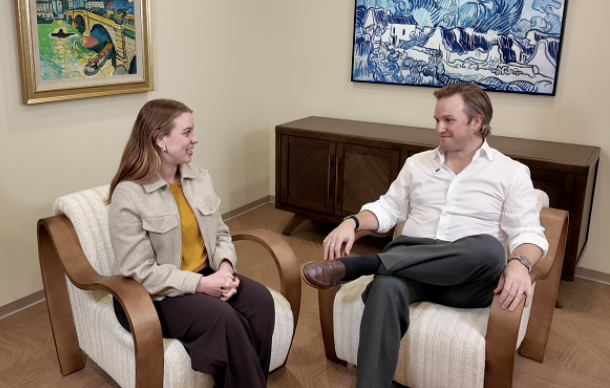
A thoughtful smile plan starts by understanding what looks natural, feels comfortable, and makes sense for the long term.
A Digital Smile Design consultation should not begin with a menu of procedures. It should begin with a conversation.
What do you notice about your smile? What feels different? What would you like to preserve? Do you want every detail to look mathematically perfect, or do you want a smile that feels natural and recognizably yours?
Those questions matter because a smile is not an isolated row of teeth. It is part of a moving face, a working bite, and a person with individual preferences. At Tanglewood Dental Associates, Dr. Lawnin uses the Digital Smile Design framework to bring those pieces together before recommending a path forward.
Here is what that process looks like, and why the consultation itself is such an important part of the result.
The First Step Is Understanding What Matters to You
People often arrive with a mix of concerns. Something may look different in photographs. The bite may not feel balanced. Older dental work may no longer feel harmonious with the rest of the smile. Or the person may simply know that something feels off without having the language to explain it.
Dr. Lawnin's role is not to turn every observation into a procedure. It is to help the patient understand what the team sees, how different factors may be connected, and which choices deserve attention.
A GUIDING PRINCIPLE
Problems do not always need solutions. An observation is the beginning of a conversation, not an automatic recommendation.
That distinction creates room for a more honest consultation. Some details may be worth addressing because they affect comfort, function, stability, or the overall design. Others may be harmless characteristics that give a smile its natural personality. The right plan depends on the difference.
Natural and Perfect Are Not the Same Goal
One of Dr. Lawnin's most useful consultation questions is simple: Do you want natural teeth or perfect teeth?
A perfectly uniform smile can require more intervention and may still feel out of place. A natural smile allows for subtle variation in shape, proportion, translucency, and alignment. Those small differences can help the result fit the face instead of looking applied to it.
For patients who are concerned about looking overdone, this conversation is essential. It gives the team a clearer definition of success and helps guide every later decision, from the overall proportions to the smallest finishing details.
Digitizing the Smile Creates a Shared Point of Reference
After the conversation, the team gathers a complete set of digital records. Depending on the situation, that may include photographs, video, intraoral scans, bite records, and facial analysis.
Each record answers a different question. Still photographs can show proportions and symmetry. Lips, cheeks, and teeth move during speech and a natural smile. Digital scans create a precise three-dimensional model of the teeth. Bite records help the team understand how the upper and lower teeth meet.
Together, these records create a digital version of the starting point. They also give Dr. Lawnin a clearer way to show what he is seeing. Instead of asking a patient to accept a conclusion, he can walk through the evidence and explain the reasoning.
The Face, Bite, and Health Come Before Cosmetic Details
Color and tooth shape matter, but they are not always the first decisions to make. If alignment, bite forces, tooth position, gum levels, or existing dental work influence the outcome, those factors need to be understood first.
This is one of the reasons a comprehensive smile plan may unfold in phases. Early steps can change the way the smile looks and feels. They can also reveal that less dentistry is needed than originally anticipated.
The order matters. When the foundation is planned first, later cosmetic decisions become more precise. The team can refine the visible details against a more stable functional picture instead of designing around a problem that may still be changing.
A Digital Design Is a Planning Tool, Not a One-Click Answer
Digital technology makes possibilities easier to see, but software does not replace clinical judgment. A proposed design still needs to be reviewed against the patient's goals, facial movement, bite, health, and existing dentistry.
Dr. Lawnin collaborates with the broader DSD planning team and other specialists when a case benefits from additional expertise. Records and proposed movements may go back and forth several times. The team asks whether the plan is achievable, whether a different sequence would be more conservative, and whether a small compromise could prevent unnecessary treatment.
That review is intentional. The goal is not to approve the first attractive image. The goal is to build a plan that makes sense clinically and personally.
You Should Be Able to See the Reasoning
A good consultation should leave you with more than a list of services. You should understand the major findings, the priorities, the areas of uncertainty, and the choices that may arise later.
For straightforward situations, that may mean comparing one or two clear options. For more complex situations, it may mean establishing an overall direction and identifying what must be learned during the first phase before later decisions are finalized.
Dr. Lawnin often uses the idea of designing a home to explain this. The consultation can establish the architecture and overall character, but some finish choices are easier to make after you can experience the space. Smile planning works similarly. The team can define the structure early while leaving room to refine details with the patient at the right time.
Conservative Planning Means Preserving Options
A comprehensive plan may show the full range of possibilities, including what could be needed in a more extensive scenario. That does not mean every item will become necessary.
In fact, one benefit of sequencing care is the opportunity to reassess. If a tooth, restoration, or area looks and functions well after an earlier phase, the most responsible choice may be to leave it alone. Healthy tooth structure and sound existing dentistry should be preserved whenever the clinical situation allows.
This is also why Dr. Lawnin explains tradeoffs. Pursuing a tiny movement or a perfectly symmetrical detail may require additional time or intervention. When patients understand that exchange, they can decide whether the marginal change is meaningful to them.
What to Bring to Your DSD Consultation
You do not need to arrive with a procedure already selected. It is more helpful to bring honest observations and priorities.
A description of what you notice in the mirror, in photographs, and while speaking or chewing.
Examples of smiles you consider natural, along with what you like about them.
Older photographs, when available, show how your smile has changed over time.
Questions about function, longevity, maintenance, timing, and the amount of tooth structure involved.
A clear sense of what you do not want, especially if you are concerned about a result that looks too bright, too uniform, or unlike you.
The more clearly you can describe your experience, the more useful the digital records and design conversation become.
A Better Plan Begins With a Better Conversation
Digital Smile Design is valuable because it helps make complex information visible. Yet technology is only part of the process. The real value comes from combining careful records with clinical judgment, collaboration, and the patient's own definition of a successful result.
At Tanglewood Dental Associates, the consultation is designed to help you understand the blueprint before any permanent decision is made. Dr. Lawnin explains what the team sees, where the plan is clear, where it may evolve, and how each phase protects the larger goal: a smile that looks natural, functions comfortably, and feels like it belongs to you.
Ready to start with a thoughtful conversation? Explore Digital Smile Design and smile makeovers at Tanglewood Dental Associates
Does a DSD consultation commit me to treatment?
No. The consultation is an opportunity to understand your starting point, goals, and possible paths. Recommendations should be explained clearly so you can make an informed decision.
Will I be told exactly what treatment I need at the first visit?
Some cases are straightforward. Others require digital planning, collaboration, or an initial phase before later decisions can be finalized. Dr. Lawnin will explain what is known, what still needs to be evaluated, and why.
Can Digital Smile Design help the result look natural?
That is one of its central advantages. The design is evaluated in relation to the face, movement, proportions, and individual preferences, rather than selecting teeth from a generic template.
Why might the plan be divided into phases?
An early phase can improve the foundation and provide new information. Reassessing after that phase may make later treatment more precise and, in some situations, more conservative.
Whether you're looking to enhance your smile or simply maintain lifelong oral health, we’re here to guide you with expert care and honest conversations.

Clear, honest answers to the dental questions you’ve been wondering about, because understanding your care shouldn’t be complicated.

.jpeg)