.png)

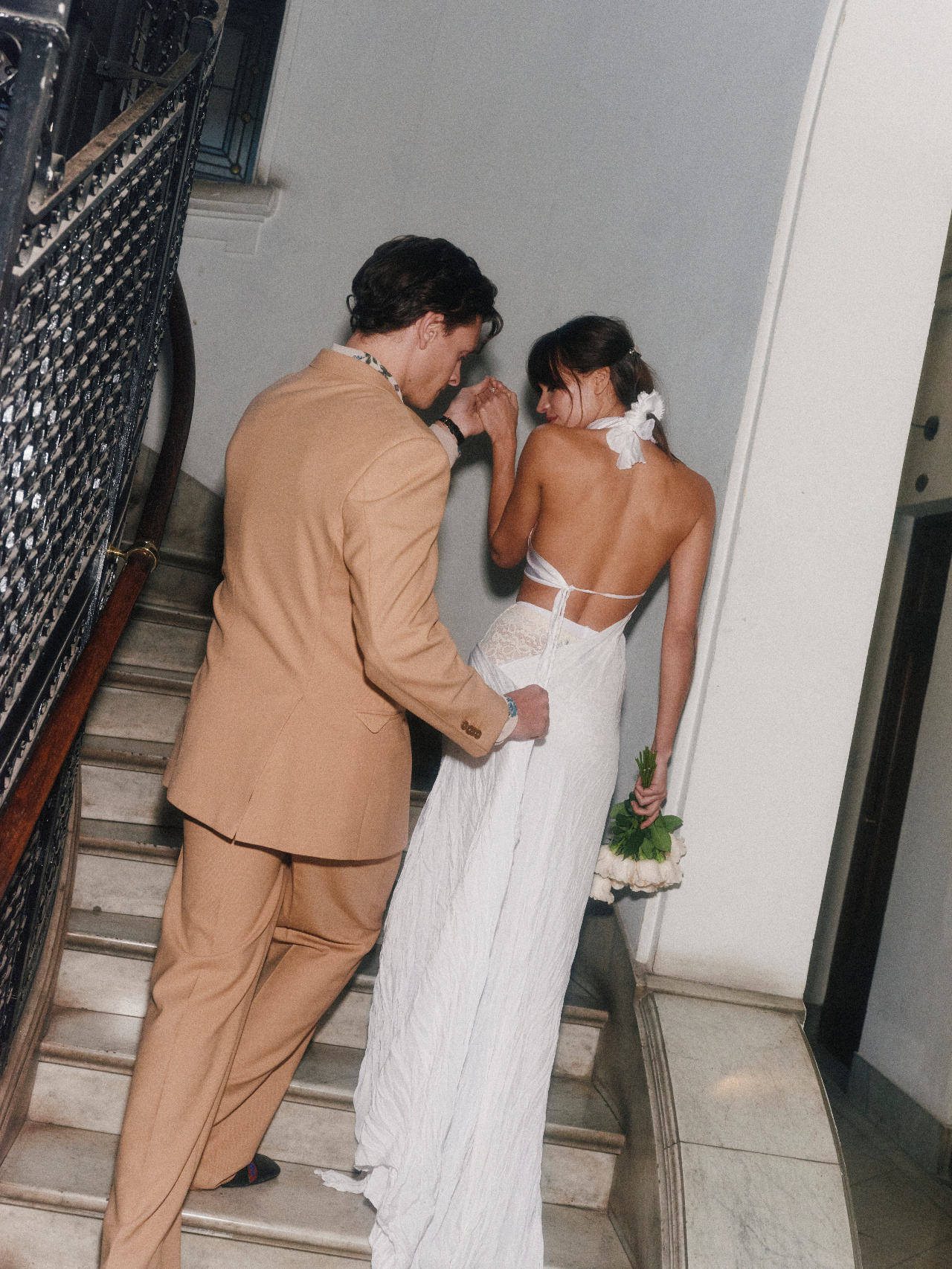
The wedding is in a few months. The photographer is booked, the dress is being altered, and suddenly every old concern about your smile feels urgent. Could veneers be finished in three weeks?
That is a real question cosmetic dentists hear, and the pressure behind it is understandable. Major events make us notice details that were easy to postpone. But a deadline cannot change the steps required to design a smile that fits your face, protects your teeth, and feels like you.
When the calendar becomes the treatment plan, choices narrow quickly. That is why rushing your veneer timeline can backfire.
A wedding, engagement, school year, reunion, or gala provides a fixed date. It does not tell the dentist whether your teeth are in the right positions, whether your bite needs attention, how much tooth structure should be changed, or how many veneers are actually appropriate.
Those answers come from an examination and a design process. If the plan begins with “We have three weeks, so what can we do?” the team may have to rule out options that would have been more conservative or natural with more time.
For the Daughter-of-Janet patient described in Tanglewood Dental's audience profile, this is especially relevant. She may be in her late 20s or early 30s, highly motivated by photographs and a major life event, and ready to act quickly. At that age, preserving healthy tooth structure deserves particular weight because she will live with the maintenance decisions for decades.
Dr. Lawnin uses a construction principle to describe aesthetic dentistry: measure twice, cut once.
At Tanglewood Dental, Digital Smile Design is part of that measuring. Photography, scans, facial analysis, and design conversations help the team evaluate how the proposed teeth will fit the patient's face. A preview or trial phase can help answer questions such as:
Do the front teeth feel too long or too square?
Does the smile look natural in motion, not only in a still image?
Is the shade bright enough without looking disconnected from the face?
Should the plan include orthodontics, whitening, bonding, veneers, or a combination?
Can the number of veneers or amount of preparation be reduced?
These decisions are much easier to change before final ceramic is bonded.
A compressed schedule can crowd several valuable steps:
Diagnosis and options. There may be less time to compare veneers with Invisalign, whitening, or bonding.
Patient input. A rushed patient may approve a shape or shade because the next production deadline is approaching, not because the decision feels settled.
Temporary refinement. Temporaries can function as a practical prototype. Adjusting them helps translate preferences into instructions for the final ceramics.
Laboratory collaboration. Complex cases may benefit from drawings, videos, edits, and detailed communication between dentist and ceramist.
Contingency time. A shade may need another look. A ceramic may need to be remade. A gum or bite issue may need attention. A schedule with no margin turns normal refinement into a crisis.
Fast care is not automatically careless. Some limited cases can be completed efficiently, especially when in-house ceramics are appropriate. The problem is promising speed before understanding the case.
The transcript describes a sign in the office: care can be done well, done fast, and done at a reasonable price, but you can generally choose only two.
Tanglewood Dental's stated priority is to do the work well. If speed can be added without compromising the process, that is useful. If the requested deadline would force the team to bypass planning or refinement, the practice may not be the right fit for that timeline.
This is not meant to punish a patient for having an event. It is honest expectation-setting. A natural, personalized result should not be converted into a race against shipping dates.
The best time to ask about your smile is when there is still room for more than one option.
Start with a consultation as early as possible and bring the date of the event. The dentist can then work backward and explain what is realistic. Depending on the case and available time, the plan might include:
Invisalign to improve tooth position
Whitening to brighten natural teeth
Conservative bonding for targeted shape changes
Veneers where ceramic coverage is truly indicated
A staged plan, with a temporary improvement before the event and definitive treatment afterward
Not every patient will need or qualify for each option. The benefit of starting early is the ability to choose rather than default.
Wedding photographs matter. So does the morning after the wedding, the fifth anniversary, and every ordinary day in between.
The goal is not to talk you out of improving your smile before a milestone. It is to give the process enough time to produce a result that still feels natural once the deadline has passed.
Whether you're looking to enhance your smile or simply maintain lifelong oral health, we’re here to guide you with expert care and honest conversations.

Clear, honest answers to the dental questions you’ve been wondering about, because understanding your care shouldn’t be complicated.



.jpeg)