.png)

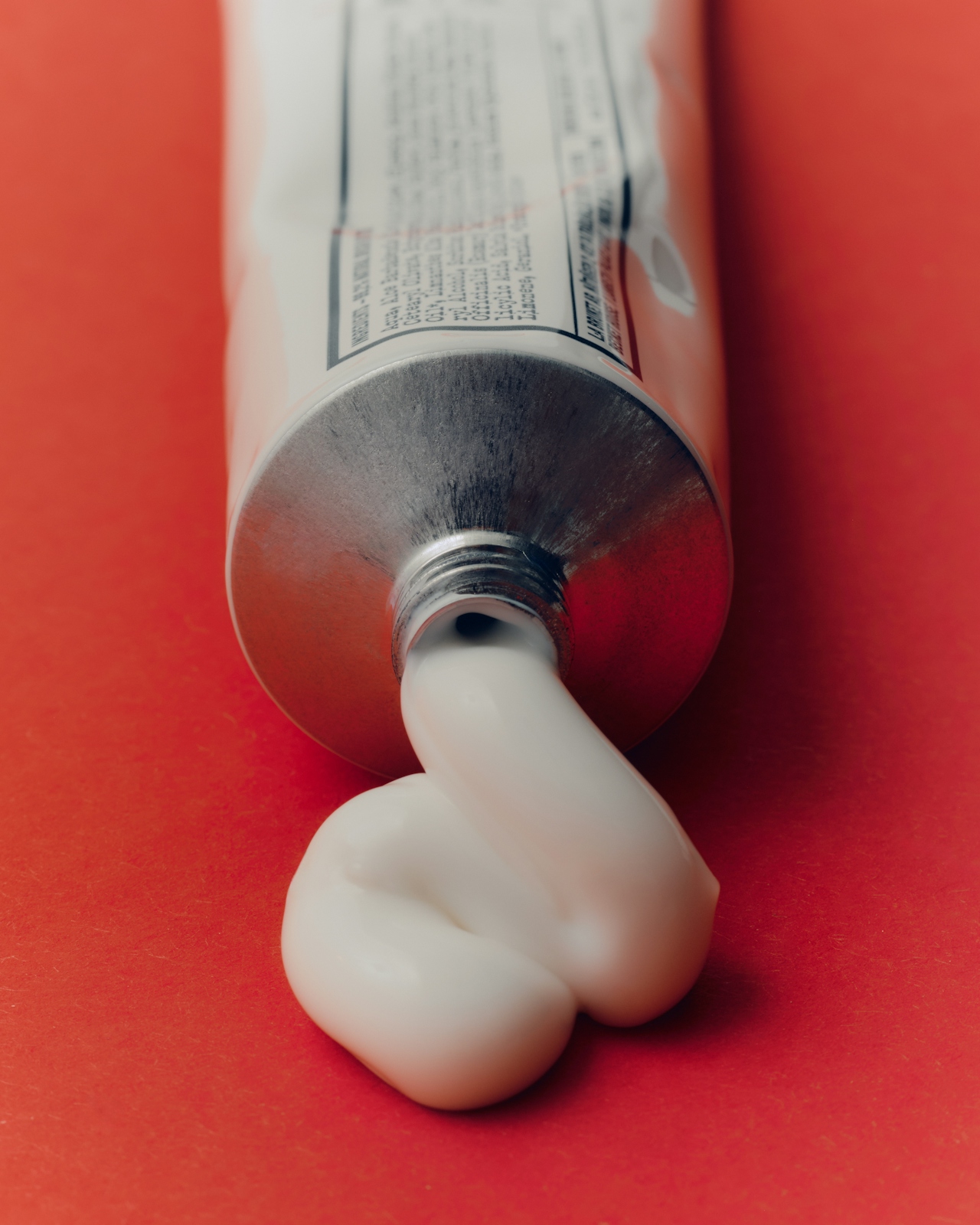
If you have ever brushed your teeth and felt like your mouth was “extra clean” because your toothpaste foamed up, you have experienced one of the main reasons sodium lauryl sulfate, or SLS, is added to toothpaste.
SLS is a surfactant detergent. In plain English, that means it helps toothpaste spread around your mouth and create foam. It gives you that bubbly, sudsy sensation many people associate with cleanliness.
But here is the part that surprises a lot of patients: the foam is not what actually cleans your teeth.
Toothpaste can support oral hygiene, but the real cleaning comes from the physical action of brushing, the toothbrush disrupting plaque, and important ingredients like fluoride helping protect enamel. SLS is mostly there because it makes toothpaste feel more satisfying.
For many people, SLS may not cause any noticeable issue. But for patients with sensitive gums, recurring mouth ulcers, or tissue irritation, it may be worth paying attention to.
Sodium lauryl sulfate is a common foaming agent used in many personal care products, including toothpaste, shampoo, and soaps. In toothpaste, its job is largely sensory. It helps create the foam that spreads the paste around your teeth and makes brushing feel more active.
That foam can be psychologically satisfying. It feels like something is happening. It is similar to seeing bubbles in a washing machine and assuming more bubbles must mean a better clean.
But your mouth is not getting cleaner simply because there are more bubbles.
That does not mean every toothpaste with SLS is automatically “bad.” It means SLS has a specific job, and that job is not the same as cavity prevention, gum health, or plaque removal.
The feeling of foam can be convincing. A toothpaste that does not foam much may feel less effective, even if it contains the ingredients your teeth actually need.
In reality, clean teeth depend more on:
SLS helps toothpaste feel familiar. It creates texture and spread. But it is not the ingredient doing the most important work for your teeth.
That distinction matters because if an ingredient is not essential for cleaning, and it irritates your mouth, it may not be worth keeping in your daily routine.
The inside of your mouth is lined with mucosa, a soft protective tissue. Mucosa naturally produces mucus, which helps protect and lubricate that tissue.
One way to understand this is to think about your nose. You do not want too much mucus, because that feels congested. But you also do not want your nose to become painfully dry. When tissue dries out or loses some of its protective layer, it can become more vulnerable to irritation.
The same general idea applies inside the mouth.
For some people, SLS may be irritating to oral tissues. It may contribute to dryness, sensitivity, sloughing tissue, or mouth ulcers in people who are prone to those problems. Research on SLS and recurrent aphthous ulcers, often called canker sores, is mixed but does suggest that some patients may experience less pain, fewer ulcer days, or improved comfort when using SLS-free toothpaste.
That is why the recommendation is not necessarily “everyone must avoid SLS.” A better, more practical recommendation is this: if your mouth is sensitive, irritated, or prone to ulcers, SLS-free toothpaste is worth considering.
You may want to look at your toothpaste label if you regularly notice:
These symptoms can have many causes, so toothpaste is not always the answer. But switching to an SLS-free toothpaste is a simple, low-risk change that may help some patients feel more comfortable.
If symptoms continue, worsen, or appear suddenly, it is important to have a dentist evaluate your mouth. Tissue changes should not be ignored or self-diagnosed indefinitely.
When choosing toothpaste, do not focus only on whether it foams. Instead, look at what your mouth actually needs.
For many patients, a good toothpaste should:
If you are looking for an SLS-free option, check the ingredient list for “sodium lauryl sulfate.” Some products also use related foaming agents, so if you are very sensitive, ask your dental team which products they recommend.
The goal is not to chase trends. The goal is to choose products that support long-term oral health without creating unnecessary irritation.
Small daily habits add up. Toothpaste is something most people use twice a day, every day. If it is working well for you, there may be no reason to change. But if your toothpaste leaves your mouth feeling raw, dry, or irritated, it deserves a second look.
A refined, healthy smile is not only about big treatment decisions like Invisalign, veneers, bonding, or restorative work. It is also about the small choices that protect your teeth and gum tissue over time.
For patients who value longevity and prevention, choosing the right toothpaste is part of the same philosophy: use what helps, avoid what irritates, and make decisions based on your actual mouth rather than marketing claims.
SLS is the ingredient that helps toothpaste foam. It can make brushing feel more satisfying, but it is not the main reason your teeth get clean. For many people, it may be tolerated just fine. For others, especially those with sensitive oral tissue or recurring ulcers, SLS may be an avoidable source of irritation.
If your mouth often feels dry, raw, or prone to sores after brushing, try checking your toothpaste label. An SLS-free toothpaste may be a simple change that makes your daily routine more comfortable.
For personalized guidance, ask your dentist which toothpaste makes sense for your teeth, gums, restorations, and long-term goals.
Whether you're looking to enhance your smile or simply maintain lifelong oral health, we’re here to guide you with expert care and honest conversations.

Clear, honest answers to the dental questions you’ve been wondering about, because understanding your care shouldn’t be complicated.
_Nick_Fancher_Photos_ID3467.jpg)