.png)

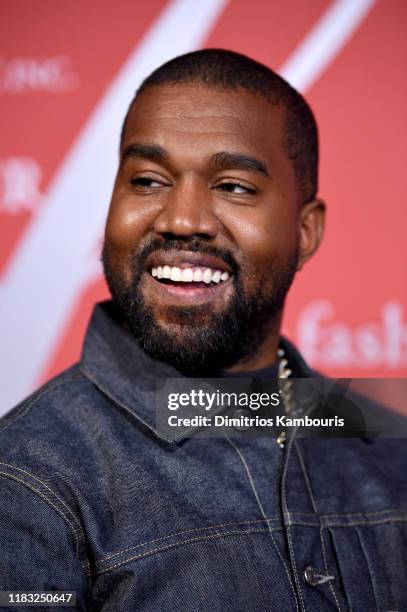
Kanye West's smile is a helpful example because it is not a simple good-or-bad critique. In the photo reviewed, Dr. Lawnin says the smile is actually good. He also notes that older images suggest Kanye had good teeth to begin with.
That matters. Some patients come in assuming a smile makeover means changing everything. But if the natural foundation is strong, the best treatment may be conservative. Whitening, minor reshaping, orthodontics, or limited restorative work may create improvement without replacing the entire smile.
Kanye's smile also opens the door to a more advanced smile design concept: facial fit. Teeth do not exist by themselves. They need to fit the face around them.
Facial fit means the teeth support and harmonize with the patient's lips, cheeks, jawline, skin tone, and overall facial structure. A smile can be straight and white, but if it is too wide, too narrow, too long, too short, or too bright for the face, it may still feel off.
In the transcript, Dr. Lawnin says Kanye's smile fits his face overall. That is why he gives the case a solid rating. The teeth look good, the position works, and the result does not appear wildly mismatched.
The one critique Dr. Lawnin raises is that the buccal corridors may be a little too wide. Buccal corridors are the dark spaces or visible width toward the sides of the smile. In everyday language, this is part of how broad the smile looks when someone smiles.
A wider smile can look youthful, full, and confident. But too much tooth display on the sides can become distracting if it does not match the patient's face. The goal is balance, not maximum visibility.
This is why smile width should be planned carefully before veneers or crowns are made. Wider is not always better. Narrower is not always more natural. The right answer depends on the face.
Dr. Lawnin's comment that Kanye had good teeth in older photos is important for patients. If you already have healthy, nicely shaped teeth, the best plan may not be a full set of veneers.
Sometimes patients think they need porcelain because they want a more polished smile. But if the tooth structure, position, and bite are already favorable, conservative options may accomplish the goal with less long-term commitment.
That could mean whitening, Invisalign, bonding, enameloplasty, or replacing only older restorations that truly need attention. The most responsible smile makeover is not the biggest one. It is the one that solves the right problems.
This case also shows why a photo can only tell part of the story. Dr. Lawnin notes that he did not have the same kind of close-up image he had for other celebrities. Without detailed photos, scans, or an exam, a dentist can comment on visible aesthetics, but cannot fully evaluate bite, enamel, gum health, or function.
That is true for patients too. You can learn from celebrity smiles, but your own treatment plan should be based on records, photographs, scans, and a real clinical evaluation.
Kanye West's smile teaches that a good smile is not just about perfect teeth. It is about how the teeth fit the face. It also reminds us that not every smile needs dramatic treatment to improve.
If you already have a strong foundation, a conservative plan may give you the polish you want while preserving more of what already works.
What are buccal corridors?
Buccal corridors are the spaces or visible width toward the sides of the smile. They influence how broad or narrow a smile appears.
Can a smile be too wide?
Yes. A very wide smile can look distracting if it does not fit the patient's face, lips, and jawline.
Do good teeth still need veneers?
Not always. Healthy, well-shaped teeth may only need whitening, Invisalign, bonding, or minor refinement depending on the patient's goals.
Considering veneers, whitening, Invisalign, or a smile makeover? Schedule a consultation at Tanglewood Dental Associates to learn which options fit your face, your goals, and your long-term oral health.
Whether you're looking to enhance your smile or simply maintain lifelong oral health, we’re here to guide you with expert care and honest conversations.

Clear, honest answers to the dental questions you’ve been wondering about, because understanding your care shouldn’t be complicated.



.jpeg)