.png)

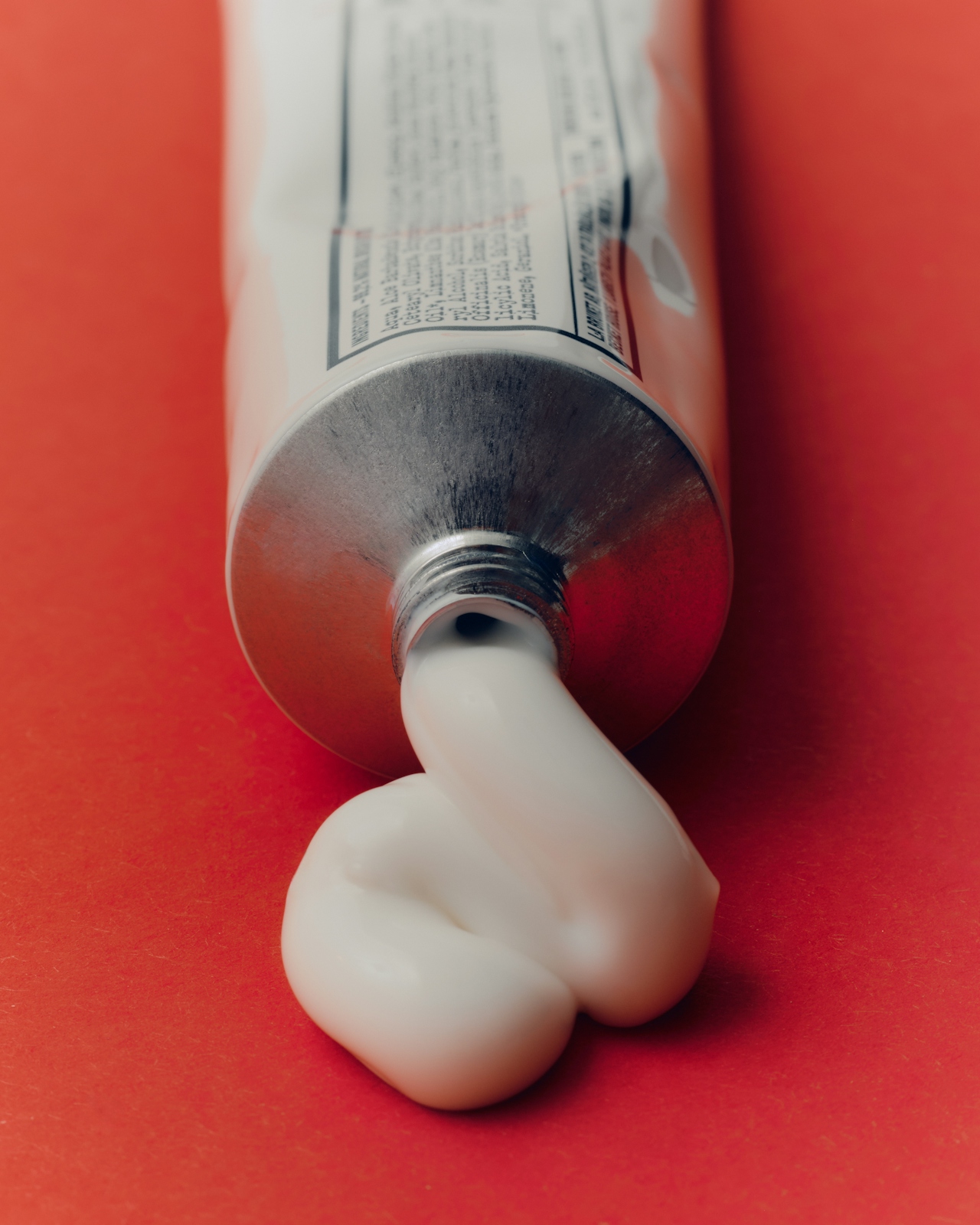
Toothpaste aisles now offer two ingredients associated with remineralization: fluoride and hydroxyapatite. Both are discussed as ways to support enamel, but they do not have the same evidence base, regulatory status, or role for every patient.
The right choice depends less on trends and more on your cavity risk, sensitivity, dry mouth, diet, and dental history.
How Demineralization Begins
When bacteria metabolize fermentable carbohydrates, they produce acids. Acidic drinks can also lower the pH around teeth. If mineral loss repeatedly outpaces repair, an early enamel lesion can progress into a cavity.
Saliva helps neutralize acids and supplies calcium and phosphate. Toothpaste can add another layer of protection.
What Fluoride Does
Fluoride supports remineralization and creates a tooth surface that is more resistant to future acid attacks. It also affects bacterial activity. Fluoride compounds are the anticavity active ingredients recognized in the U.S. over-the-counter monograph, and an ADA-Accepted toothpaste that claims cavity protection must contain fluoride.
Used as directed, fluoride toothpaste has a long record of safety and effectiveness. The practical phrase is “as directed”: toothpaste is meant to be used topically, not swallowed.
What Hydroxyapatite Does
Hydroxyapatite is a calcium-phosphate mineral similar to the mineral in teeth. Toothpastes containing micro- or nano-hydroxyapatite are marketed to deposit mineral on the tooth surface, support early lesion repair, and reduce sensitivity.
Research is promising, but products vary and the evidence is not as established or standardized as it is for fluoride. A “fluoride-free” label should not be treated as proof that a product offers equivalent cavity protection for every patient.
A Personalized Choice Is Better Than an Ingredient Debate
A patient with frequent cavities, dry mouth, exposed roots, orthodontic appliances, or a high-acid routine may need a different strategy than someone at low risk. Prescription-strength fluoride may be appropriate for some patients. Others may use a hydroxyapatite product for sensitivity or preference after discussing the tradeoffs.
At Tanglewood Dental Associates, we assess risk before recommending products. Bring the toothpaste you are using and tell us what you want it to accomplish. We will help you choose based on your mouth, not the loudest claim on the box.
Whether you're looking to enhance your smile or simply maintain lifelong oral health, we’re here to guide you with expert care and honest conversations.

Clear, honest answers to the dental questions you’ve been wondering about, because understanding your care shouldn’t be complicated.
.jpg)