You can, but your treatment will take much longer, and your teeth may barely move. Orthodontist Daniel Ramos, head of orthodontics at the DSD Planning Center in Madrid, asks his patients for about 22 hours a day. We hear the nights-only plan often, and it's usually the first thing we check when a patient tells us their teeth aren't moving.
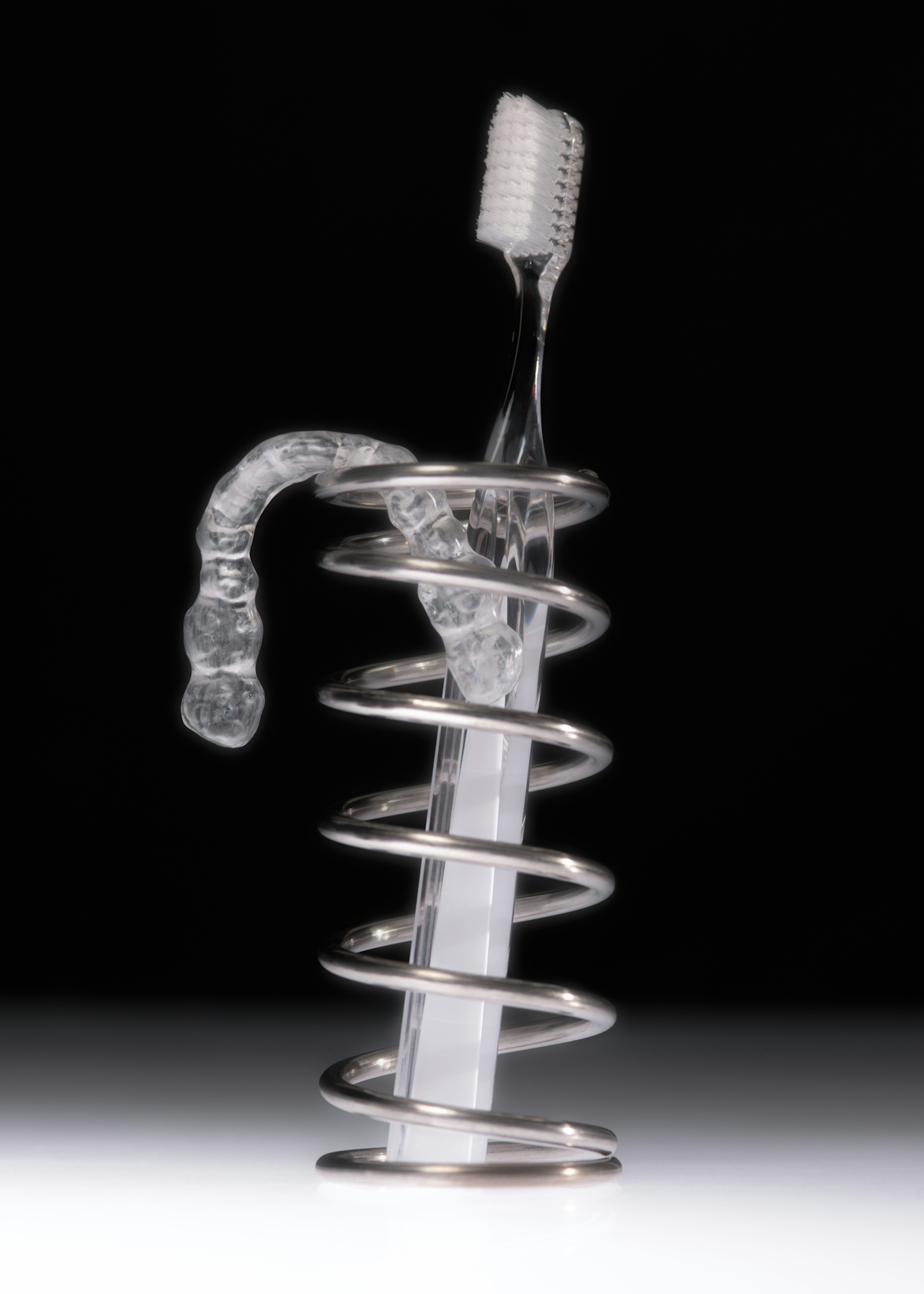
Teeth move because the aligner presses on them and the body responds. That response is a mild, normal inflammation around the root, which lets the bone remodel. Bone breaks down on one side of the tooth and fills in behind it as the tooth moves.
That response needs to keep going. Ramos explains it with a campfire:
"If you start a fire and keep throwing a cup of gasoline on it every 30 minutes or every hour, the fire is going to be there forever. But if you start a fire and only throw a cup of gasoline on it at night, in one or two days it's going to slow down and then go out."
When aligners come out for 16 hours, the process quiets down. Then the next night starts it up again, and you spend your treatment restarting instead of moving forward.
In our office the pattern is predictable. A patient starts aligner therapy, comes back for a check, and the teeth haven't tracked. The aligners don't fit the way they should. Once we talk it through, it turns out they've been wearing them mostly while asleep.
That's an easy fix if we catch it early. If we don't, it can mean refinement aligners, extra visits and months added to the plan.
Sometimes. Ramos notes that some studies show patients finishing with night-only wear when it's combined with a vibration device. The tradeoff is time. He's clear that night-only wear "will extend treatment time a lot, many times over. But it will work."
If your job puts you on camera or in front of a room all day, tell us at the start. We can plan around it honestly, including how much longer it will take, so the timeline doesn't surprise you later.
About 22. That leaves time for meals and cleaning.
Your teeth will move much more slowly, and they may stop tracking with the aligners. You'll likely need more time and possibly extra aligners.
An occasional hour won't undo your progress. A daily habit of several hours out will.
They help each aligner seat fully against your teeth, which makes it work more efficiently.
If you're weighing aligners and your schedule is the real question, bring your calendar to the consult. We'll show you what your plan looks like at 22 hours and what it looks like if that isn't realistic. Wouldn't you rather know the honest timeline before you start?
Whether you're looking to enhance your smile or simply maintain lifelong oral health, we’re here to guide you with expert care and honest conversations.

Clear, honest answers to the dental questions you’ve been wondering about, because understanding your care shouldn’t be complicated.