The best floss is the one that fits how your teeth sit, used every day. If your teeth are tight together, choose a floss that grips. If you have looser contacts or gaps, switch to a woven floss built for wider spaces.
Floss has one job: cleaning debris off the tooth. Added ingredients and eco packaging change the price and the story. They don't change that job. Here's how six common options rate.
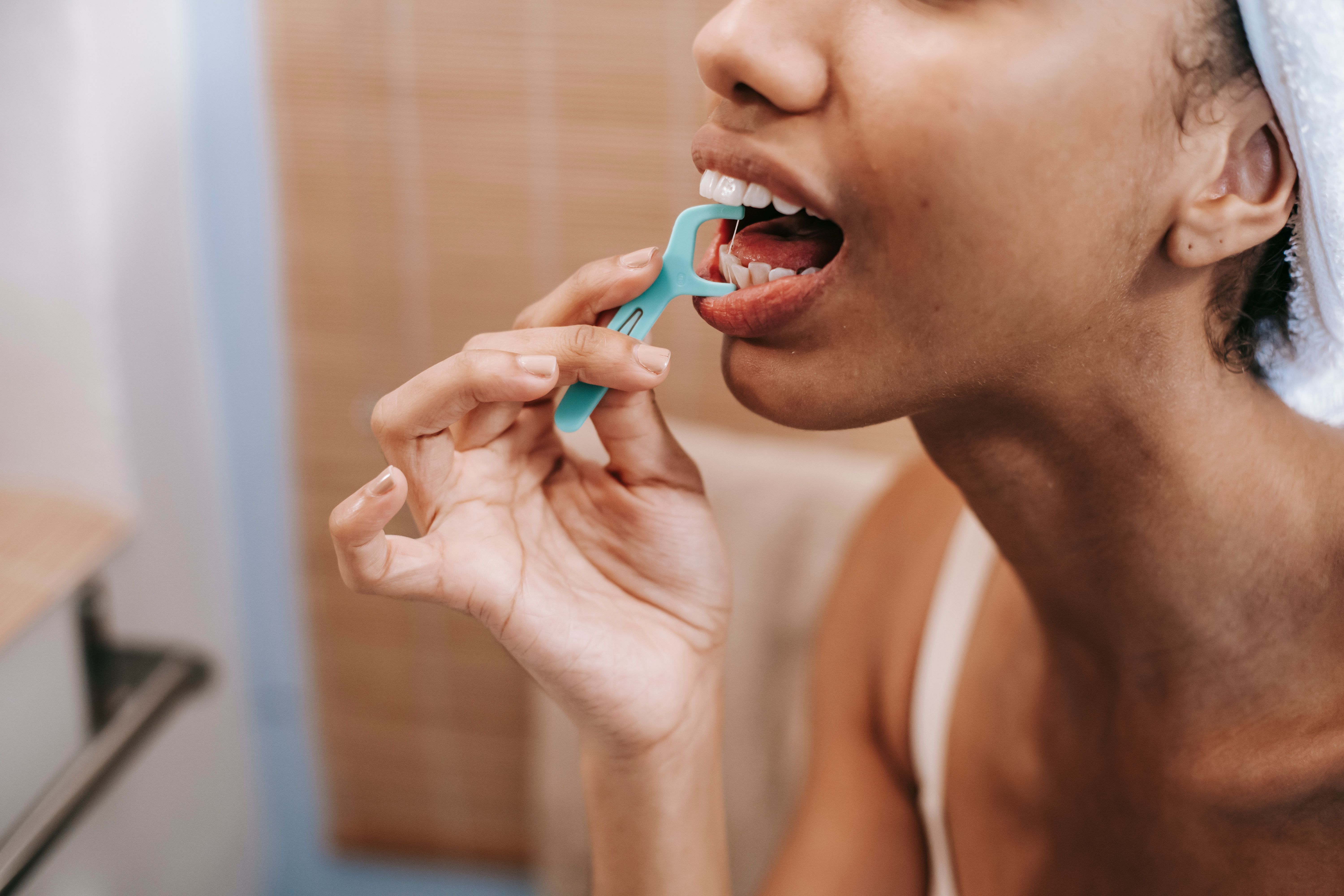
If your teeth sit tightly together, Listerine Ultraclean is the top pick. It has small rubber grippers on one side, so it pulls plaque off as it moves along the tooth.
It's what Dr. Lawnin uses for his own tight contacts. It's the wrong choice for looser contacts, though, so if floss slides through your teeth with no resistance, move to the next option.
If your contacts are loose or you have a lot of spacing between your teeth, switch to a woven floss like Cocofloss. It's a strong pick for wider spaces, where a thin, grippy floss isn't the right tool.
Three categories cost more without cleaning better. What matters most is that you actually get in there and floss.
Nano-hydroxyapatite floss. Nano-hydroxyapatite is an interesting ingredient, but in floss it's mostly marketing and extra expense. Floss works by clearing debris off the tooth, and what's coated on the string doesn't change that.
Electric flossers. You can spend around $50 on a device that essentially vibrates floss between your teeth. A basic floss stick, moved by hand, does the same job.
Bamboo and charcoal floss. These sell the idea that your floss is better for the environment or better for your teeth. In practice, you're paying for the idea. A plain string would clean just as well.
At a restaurant with something stuck between your teeth and no floss on you, the thin paper of a receipt works surprisingly well. It rated above three of the products on this list. Use it to get through dinner, then floss properly at home.
A floss that grips, like Listerine Ultraclean. Its rubber grippers on one side help pull plaque off teeth that sit close together.
A woven floss like Cocofloss. It's a better fit for loose contacts and wider spacing than a thin floss made for tight teeth.
For most people, no. Floss works by clearing debris off the tooth, so the added ingredient mostly adds cost.
No. A regular floss or floss stick does the same job for far less.
At your next cleaning, ask your hygienist whether your contacts are tight or loose. That one answer tells you which floss to buy, and it saves you from paying for features that won't change how clean your teeth get.
Whether you're looking to enhance your smile or simply maintain lifelong oral health, we’re here to guide you with expert care and honest conversations.

Clear, honest answers to the dental questions you’ve been wondering about, because understanding your care shouldn’t be complicated.