
Well-made veneers rarely just fall off. When they do, the cause is usually one of three things: how they were bonded, how much force your bite puts on them, or breakdown at the edge where the veneer meets the gum.
A veneer is more than a piece of ceramic. It's the ceramic, the bonding agent, the cement and the protocol used to put it all together. Bargain veneers often cut corners here:
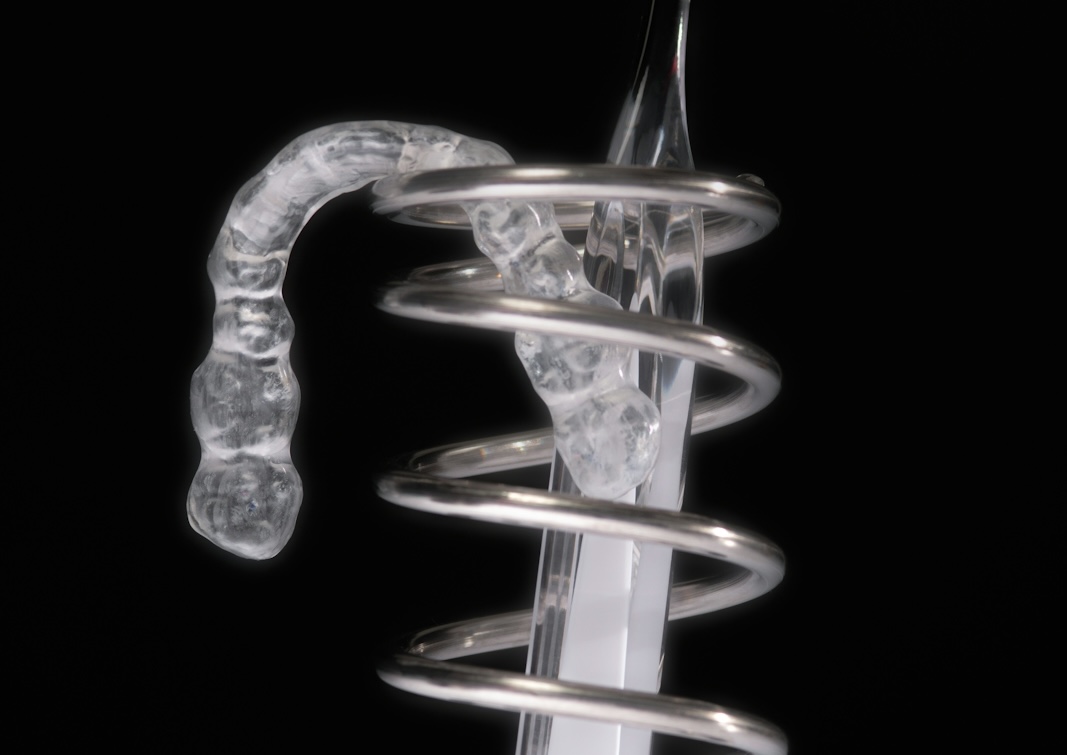
Bite force is the biggest stress on veneers. If teeth meet unevenly, or you clench or grind, certain veneers take a beating. A night guard helps at night, but it doesn't cover the hours you spend eating and talking. That's why Dr. Lawnin sometimes corrects the bite with aligners before placing veneers.
Habits matter too. Chewing ice and pulling at sticky candy can pop or chip a veneer.
The place where the veneer meets the gum has to stay the cleanest part of your mouth. When plaque sits there, the cement breaks down, the edge stains and gums recede. Eventually the bond can fail.
Call your dentist and keep the veneer. It's worth finding out why it came off before it's bonded back or replaced, so it doesn't happen again.
It's uncommon with careful bonding and a managed bite. Rushed or bargain work raises the risk.
Sometimes, if the veneer and tooth are intact. Your dentist will check why it failed first.
Keep the edges clean, wear your night guard, skip ice and sticky candy, and keep up your cleanings.
If you're comparing veneer quotes, ask each office which bonding agent they use and how they keep the tooth dry. Wouldn't the answer tell you a lot?
Whether you're looking to enhance your smile or simply maintain lifelong oral health, we’re here to guide you with expert care and honest conversations.

Clear, honest answers to the dental questions you’ve been wondering about, because understanding your care shouldn’t be complicated.