.png)


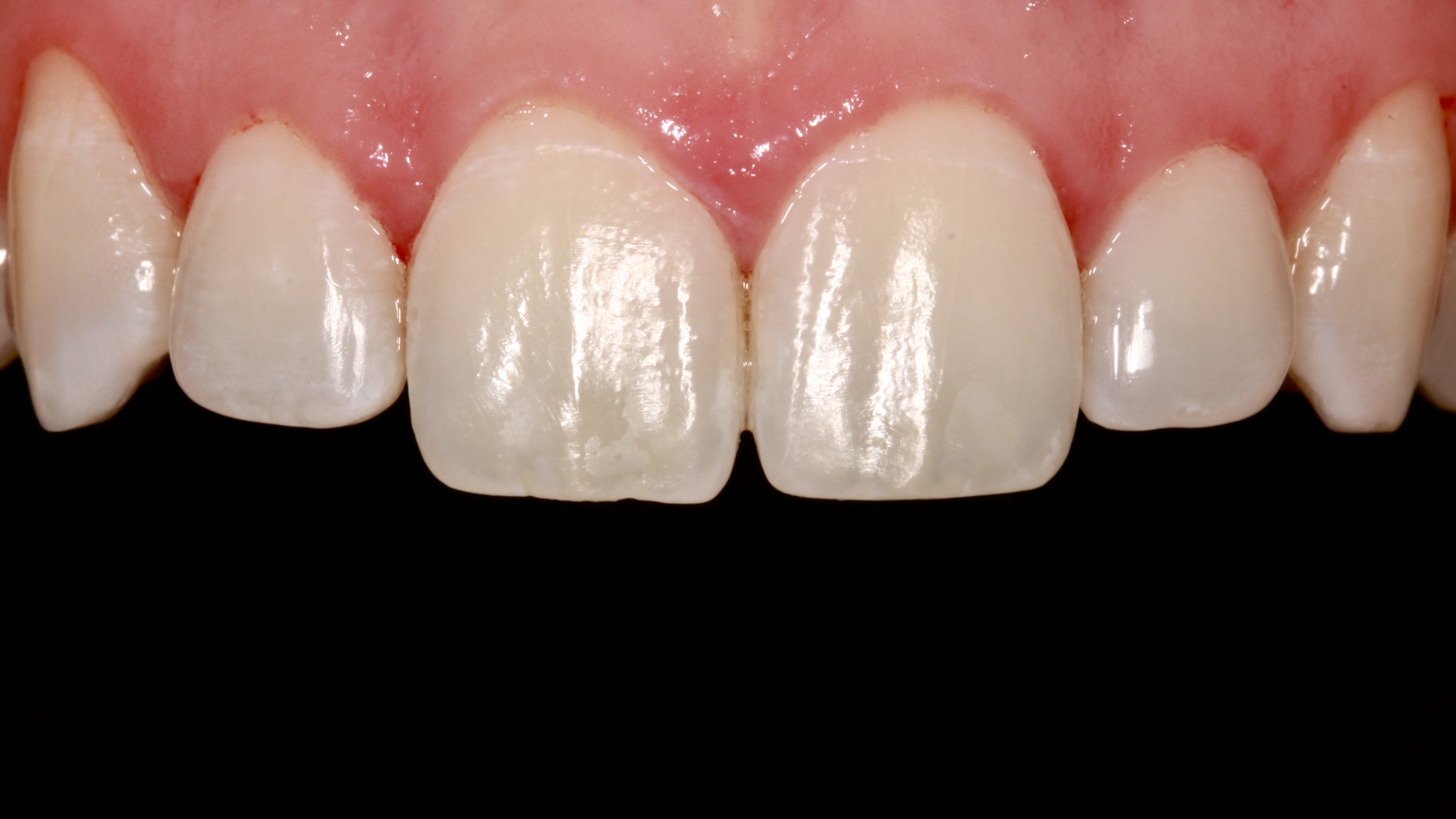
When teeth look too small or a smile has gaps, the obvious solution can be misleading. The space may come from where the teeth sit, how wide they are, or both. Treating the wrong cause can close the gap while leaving the smile out of proportion.
When a smile has extra space, the instinct may be to move the teeth together. But spacing can come from position, tooth size, or a combination of both. Closing space without understanding the cause may leave the teeth looking too narrow or the smile compressed.
Small lateral incisors, sometimes called peg laterals, are a familiar example. The teeth may sit in a reasonable position but lack the width needed to create balanced proportions.
The front teeth do not need to match a universal formula exactly. They do need to relate convincingly as they move away from the center of the smile. The central incisors establish much of the scale; lateral incisors and canines support the progression.
Facial width, arch form, tooth display, and the angle of view all affect what looks appropriate. Proportional planning uses measurements as guides, then tests them in the face.
If the teeth are normal in size but crowded, rotated, or distributed unevenly, Invisalign may place them where they belong. It can also create intentional space before bonding or veneers so the final additions have better proportions.
Moving teeth first often preserves healthy tooth structure. It also gives the restorative dentist a cleaner foundation when shape changes are still needed.
If roots and teeth are already in favorable positions but the teeth are undersized or misshapen, movement alone cannot create missing enamel. Composite bonding can add targeted width or length. Veneers may offer greater control of shape, color, and surface character in appropriate cases.
The choice depends on the amount of change, the bite, the condition of the enamel, maintenance expectations, and the desired longevity. Minimal-preparation approaches are case-specific, not a promise that applies to everyone.
Digital Smile Design can preview how proposed widths and lengths fit the lips and face. It also helps the dentist decide whether to move, add, restore, or leave a tooth alone.
The best solution to spacing is the one that corrects the reason for the spacing. That is how a small change can look intentional rather than patched.
A cosmetic consultation should clarify the cause of the concern, the choices that fit your goals, and the tradeoffs in time, tooth preservation, maintenance, and predictability. At Tanglewood Dental Associates, we use facially driven planning and honest conversation to create a plan that feels personal rather than formulaic.
Whether you're looking to enhance your smile or simply maintain lifelong oral health, we’re here to guide you with expert care and honest conversations.

Clear, honest answers to the dental questions you’ve been wondering about, because understanding your care shouldn’t be complicated.
.jpg)