.png)

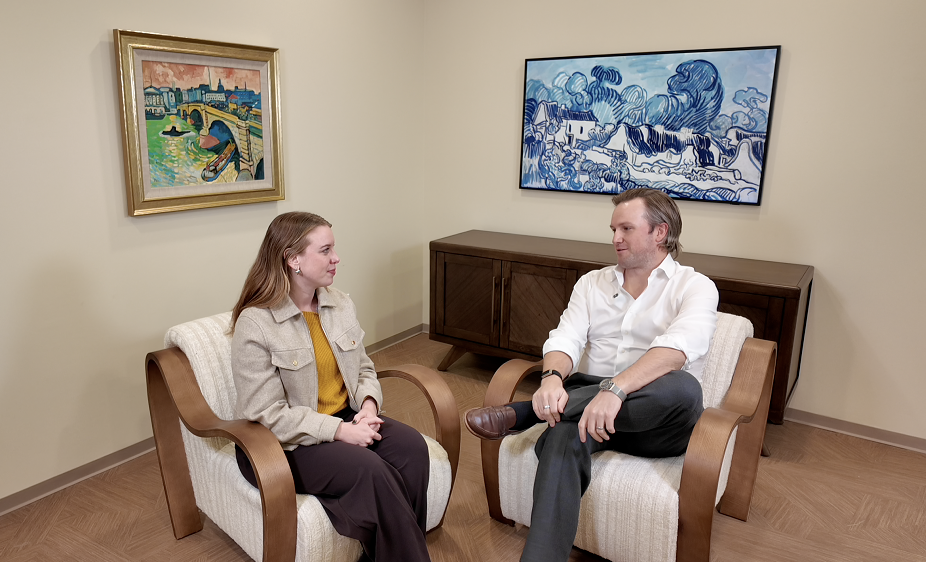
Imagine sitting in an orthodontist's office, hearing the words that would make anyone's stomach drop: "The only way to fix your crossbite is to crack open your jaw and reset it." For Mindy Green, a patient at Tanglewood Dental Associates, this wasn't just a scary hypothetical—it was the treatment plan she was presented with at her first orthodontic consultation. Her response? "I don't think I ran out of there faster."
Here's the thing: many patients with complex orthodontic issues like crossbites are told that invasive jaw surgery is their only option. And for years, that might have been true. But modern dentistry is evolving rapidly, thanks to digital treatment planning technology and collaborative care models that bring multiple specialists together before a single tool touches your mouth.
At Tanglewood Dental Associates, we believe in exploring every possible avenue before recommending surgery. Through Digital Smile Design and team-based treatment planning, we helped Mindy achieve the smile transformation she wanted—without the jaw surgery she dreaded. Her journey illustrates how the right combination of technology, expertise, and collaborative thinking can create options where patients were previously told none existed.
When Mindy first came to our practice, she had been referred by a friend who was already a patient of Dr. Boswell (before Dr. Lawnin took over the practice). She had never had any orthodontic work done, still had all four wisdom teeth, and was dealing with several cosmetic concerns—crooked teeth and, most significantly, a crossbite.
A crossbite occurs when your upper and lower teeth don't align properly when you bite down. In Mindy's case, this misalignment was significant enough that when she sought treatment from an orthodontist, she was told that oral surgery was her only option. The proposed treatment? Surgically breaking her jaw and resetting it—a procedure that's as invasive as it sounds.
For Mindy, the decision was immediate. Despite wanting to improve her smile, the crossbite wasn't interfering with her daily life. She could eat normally, the cosmetic impact wasn't severe enough to warrant major surgery, and the thought of such an invasive procedure simply didn't align with her quality of life goals.
This scenario plays out more often than you might think. Patients are presented with surgical solutions to orthodontic problems and must weigh the severity of their concerns against the invasiveness of the treatment. Many, like Mindy, choose to live with their orthodontic issues rather than undergo jaw surgery—and for years, that was a completely reasonable choice because those were the only two options available.
But what if there was a third option? What if digital technology and collaborative treatment planning could unlock solutions that traditional single-specialty orthodontics might miss?
When Dr. Lawnin first met with Mindy, he took a different approach. Rather than immediately accepting that surgery was the only option, he proposed using a tool called Digital Smile Design—a comprehensive diagnostic and treatment planning system that the practice uses regularly.
The concept was simple: "Let's run you through this tool and see what they say." No commitment, no invasive procedures yet—just a thorough digital evaluation to explore what might be possible.
Digital Smile Design isn't just about creating a prettier smile in a computer program. It's about comprehensive evaluation that involves multiple specialists reviewing a case from different angles. At Tanglewood Dental Associates, this means bringing in experts like Daniel Ramos, an orthodontist who works collaboratively with the dental team to evaluate complex cases.
When Dr. Lawnin first mentioned the possibility of using Invisalign aligner therapy to correct the crossbite, Mindy was understandably skeptical. She had been told by another professional that surgery was her only option. Could clear aligners really correct something that another orthodontist said required breaking her jaw?
This is where the power of digital planning comes into play. Rather than relying on traditional impressions and educated guesses, Digital Smile Design allows the team to virtually simulate different treatment approaches, evaluate outcomes before treatment begins, and collaborate across specialties to develop the most conservative yet effective treatment plan possible.
The evaluation confirmed what Dr. Lawnin suspected: with some strategic adjuncts to the Invisalign treatment, they could likely correct Mindy's crossbite without surgery.
"There is no case we plan without reviewing," Daniel Ramos explains. "It's all about team effort."
This philosophy represents a fundamental shift in how complex orthodontic cases are approached. Daniel brings a unique perspective to the collaboration—he's an orthodontist who previously worked in orthodontics-exclusive clinics, where the focus was purely on moving teeth. But working in a collaborative environment opened his eyes to what becomes possible when different specialties work together.
"When I started, my lenses were just to move teeth," Daniel reflects. "And then a lot of times I did a treatment, and in the end, the interiors are too small, and these are the limitations that orthodontics alone cannot increase the size. And then we start working together, we can see what aligners can add, and [Dr. Lawnin] can make a comment."
This collaboration isn't just two people talking—it's a comprehensive team reviewing all aspects of a case. Multiple sets of eyes, multiple areas of expertise, all focused on finding the best solution for the patient.
The real magic happens in the digital planning phase. "Nowadays in the computer rooms, we can overlap everything, and we can evaluate everything," Daniel explains. "And we can make a lot of mistakes in the computer, we can test drive, and we can go back."
Think about that for a moment. The team can make mistakes—virtually. They can try different approaches, see what works and what doesn't, and refine the plan before anything happens to the patient. This "test drive" capability is revolutionary in orthodontics, where traditional treatment planning often involved more trial and error during actual treatment.
For Mindy's case specifically, this collaborative, digitally-enabled approach gave the team the chance to see that there was an option without surgery—something Daniel notes is "not usual outside in other clinics." When you're working within a single specialty, you're limited by that specialty's tools and techniques. But when you bring together dental and orthodontic expertise, supported by sophisticated digital planning tools, the range of possible solutions expands dramatically.
Once the digital planning confirmed that non-surgical treatment was viable, the team developed a comprehensive plan. The primary tool would be Invisalign aligner therapy—clear, removable aligners that gradually move teeth into their correct positions. But correcting a crossbite isn't quite as simple as straightening crooked teeth.
The treatment plan included a crucial adjunctive element: rubber bands. Mindy would need to wear a rubber band from the inside of her mouth across to the other side, creating strategic pressure to help correct the crossbite while the aligners did their work.
When asked about this aspect of treatment, Mindy is refreshingly honest: "It took a lot of getting used to." Rubber bands can be uncomfortable, require consistent compliance, and add a layer of complexity to daily life. You have to remember to wear them, replace them regularly, and deal with the awkwardness of having elastics in your mouth.
But here's what matters most to Mindy: "Better than jaw surgery. It doesn't even compare—much easier."
This perspective is crucial for anyone considering orthodontic treatment. Yes, Invisalign with rubber bands requires commitment and involves some discomfort during the adjustment period. But when the alternative is surgical intervention—with all the recovery time, potential complications, and invasiveness that entails—most patients find the aligner therapy route significantly more manageable.
The results speak for themselves. When asked if she still has a crossbite, Mindy's answer is simple: "No."
And she's become something of an ambassador for the approach. "I do tell the story often that y'all were able to fix it without jaw surgery," she shares. For patients facing similar diagnoses, hearing that someone else successfully avoided surgery can be life-changing information.
It's important to understand that the team at Tanglewood Dental Associates isn't opposed to jaw surgery—they're opposed to unnecessary jaw surgery. As Daniel explains, "Sometimes the surgery is the ideal, but we [need to have] eliminated our other options."
So when is jaw surgery truly necessary? According to Daniel, "For us to end up in surgery, it needs to justify not only for aesthetics—it has to be very functional normally. The patient has a lot of complaints about not breathing properly or a lot of pain and TMJ issues."
These are critical distinctions. If your crossbite or jaw misalignment is causing:
Then surgery may indeed be the most appropriate solution. The key is ensuring that less invasive options have been thoroughly explored and eliminated before proceeding with surgical intervention.
In Mindy's case, the crossbite wasn't causing functional problems. She could eat normally, wasn't experiencing pain, and the primary concerns were cosmetic and preventive. This made her an ideal candidate for the non-surgical approach.
The comprehensive digital evaluation allows the team to make these distinctions clearly. They can assess not just how the teeth look, but how they function, how the jaw joints are positioned, and whether airway issues are present. This complete picture informs whether surgical intervention is truly necessary or whether orthodontic treatment can achieve the desired results.
For patients who have been told they need jaw surgery, this highlights the importance of seeking a second opinion from a practice that offers comprehensive, collaborative evaluation. Not all orthodontic problems require surgical solutions—but you need a team with the expertise and technology to identify which cases can be treated successfully without surgery.
Mindy's successful treatment outcome wasn't due to luck—it resulted from a specific combination of factors that made non-surgical crossbite correction viable.
Advanced Technology
The foundation is digital treatment planning technology. The ability to virtually simulate treatment, test different approaches, and refine the plan before beginning treatment is transformative. As Daniel emphasized, "We can make a lot of mistakes in the computer, we can test drive, and we can go back." This eliminates much of the trial-and-error that characterized traditional orthodontic treatment.
Invisalign technology itself has evolved significantly. Early iterations of clear aligner therapy had limitations in treating complex cases like crossbites. Today's aligner systems, when used by experienced practitioners, can address increasingly sophisticated orthodontic challenges.
Multi-Specialty Expertise
Technology alone isn't enough. The collaborative model at Tanglewood Dental Associates brings together different areas of expertise. Daniel's orthodontic background combined with Dr. Lawnin's broader dental perspective creates opportunities to develop treatment plans that neither specialist might devise working alone.
"When we discuss the case, it's not only me and [Dr. Lawnin], but I have all my team reviewing all the aspects," Daniel notes. This comprehensive review process ensures that every angle is considered, every potential challenge is anticipated, and the most effective approach is identified.
Patient Commitment
Finally, non-surgical treatment requires patient compliance. Mindy had to commit to wearing her aligners consistently, managing the rubber bands even during the adjustment period, and following through with the full treatment timeline.
The treatment isn't finished yet—Mindy mentions she'll "be happier once it's done"—but she's stayed committed because the end result is worth the effort, especially compared to the alternative of jaw surgery and its recovery period.
When all three elements align—advanced technology, collaborative expertise, and patient commitment—cases that previously would have required surgery can often be treated successfully through orthodontic means alone.
Mindy Green walked into an orthodontist's office expecting to explore options for improving her smile. Instead, she was told that cracking open her jaw was her only choice. Years later, after working with the collaborative team at Tanglewood Dental Associates, she's successfully correcting her crossbite without surgery—and sharing her story to help others who might be facing similar diagnoses.
The key takeaways from Mindy's journey are clear: modern digital technology combined with multi-specialty collaboration can create treatment options that weren't available even a few years ago. Not every crossbite requires jaw surgery. Not every complex orthodontic case has only one solution. But finding those alternatives requires working with a team that has both the technology to "test drive" solutions virtually and the collaborative mindset to explore every option before recommending invasive procedures.
If you've been told that surgery is your only option for a crossbite or other orthodontic concern, consider seeking a second opinion. At Tanglewood Dental Associates, we use Digital Smile Design and team-based treatment planning to evaluate complex cases from every angle. We believe in exhausting conservative options before recommending surgical intervention, and we're committed to finding solutions that align with your quality of life goals—not just clinical ideals.
Ready to explore your options? Contact Tanglewood Dental Associates at 713-784-2952 to schedule a comprehensive evaluation. Whether you're dealing with a crossbite, TMJ concerns, or simply want to improve your smile, our collaborative team will work together to develop a treatment plan that's right for you. Because like Mindy discovered, sometimes the solution that seems impossible is just waiting for the right combination of technology, expertise, and teamwork to make it real.
Whether you're looking to enhance your smile or simply maintain lifelong oral health, we’re here to guide you with expert care and honest conversations.

Clear, honest answers to the dental questions you’ve been wondering about, because understanding your care shouldn’t be complicated.


.jpeg)